
Health and Wellness: Clear Guides on Meds, Conditions, and Supplements
Want straightforward health information you can actually use? This Health and Wellness hub collects easy-to-read guides about medications, common conditions, and dietary supplements. No fluff—just clear tips to help you make safer choices and ask smarter questions at the doctor or pharmacy.
What you’ll find here
We cover how medicines work, common side effects, and practical dosing advice. For example, you’ll find step-by-step info on antimalarials like primaquine, antibiotics such as tetracycline, and mood or seizure meds like Depakote. There are also posts on supplements — berberine, apple cider vinegar, artichoke, and more — plus content on skin or fungal issues like ringworm and serious infections like candidemia.
Each article aims to answer: What is it for? How to use it safely? What side effects or interactions should I watch for? You’ll also see when to call your doctor and how telehealth or online pharmacies fit into the picture.
Quick safety habits to follow
Always check dosing and timing. Take antibiotics exactly as prescribed and finish the course unless your prescriber tells you otherwise. Watch for obvious red flags: sudden rashes, severe stomach pain, breathing trouble, or high fevers. Those need immediate medical attention.
Read labels for interactions. Supplements like berberine can affect blood sugar and interact with diabetes meds. Erectile dysfunction drugs such as Cialis or Kamagra interact with nitrates. If you take more than one medication, ask a pharmacist to review interactions before you start anything new.
Use telehealth wisely. Virtual visits are great for follow-ups and simple issues, and some services connect directly to online pharmacies for prescription delivery. But complex conditions or sudden severe symptoms still need an in-person exam.
Want to save on meds? Look for verified coupons or trusted pharmacy programs, but avoid sites that don’t require a prescription for prescription drugs. If a deal seems too good to be true, it probably is.
We also tackle everyday wellness topics: how to manage heartburn from tizanidine, ways massage helps migraines, and basic plans to reduce bloating after meals. These practical guides aim to help you feel better day to day while keeping safety first.
Browse by topic if you’re after something specific—medication guides, supplements, skin and infections, or telehealth and pharmacy tips. If you’re unsure about any advice here, bring the article to your clinician and ask for a personalized recommendation. That simple step can make all the difference.
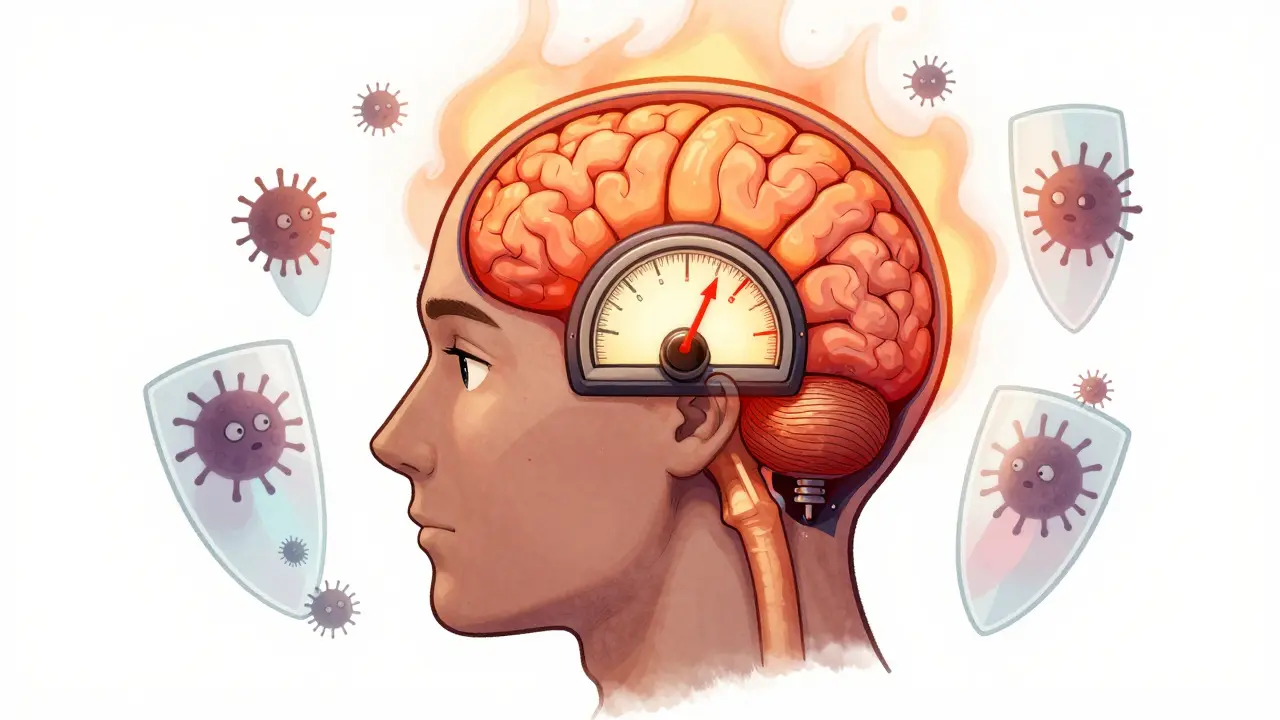
Fever in Adults: When to Seek Medical Evaluation | Complete Guide
- by Colin Edward Egan
- on 31 Mar 2026
A practical guide for adults on recognizing when a fever requires medical attention, covering temperature thresholds, duration limits, and red flag symptoms.
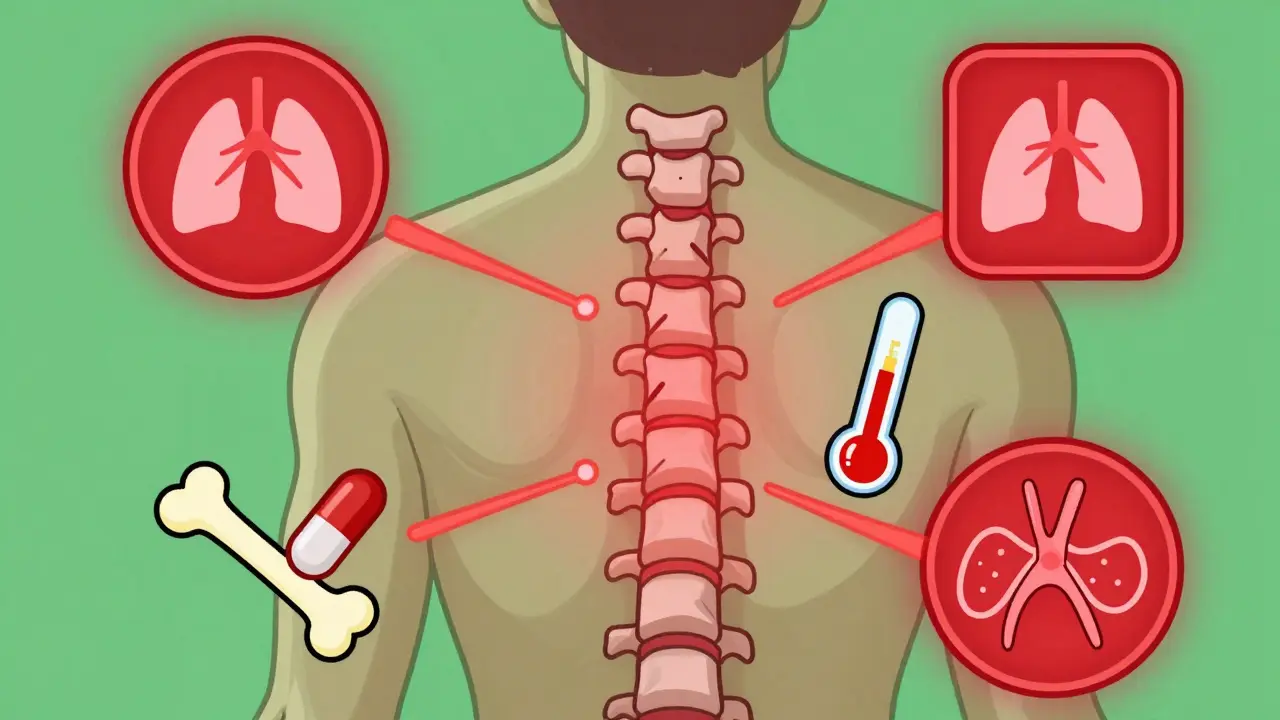
Low Back Pain: What Red Flags Mean, When to Get Imaging, and How Exercise Helps
- by Colin Edward Egan
- on 23 Mar 2026
Most low back pain isn't serious-but knowing the red flags, when to skip imaging, and how exercise helps can prevent unnecessary tests and speed recovery. Learn what actually works.

How to Replace Lost or Stolen Medications While Abroad
- by Colin Edward Egan
- on 19 Mar 2026
Losing medication while abroad can be dangerous, but with the right preparation and steps, you can get back on track. Learn how to replace lost or stolen prescriptions overseas using insurance, local doctors, and essential documentation.

Corneal Ulcers from Contact Lenses: Risks, Symptoms, and What to Do Now
- by Colin Edward Egan
- on 16 Mar 2026
Corneal ulcers from contact lenses can lead to permanent vision loss. Learn the warning signs, why overnight wear is dangerous, and what to do immediately if you suspect an infection.

Generic Myths Debunked: Separating Fact from Fiction in Patient Education
- by Colin Edward Egan
- on 12 Mar 2026
Debunking common health myths like sugar causing hyperactivity, the 8-glass water rule, and brain usage myths helps patients make informed decisions. Science-backed facts improve adherence to medical advice and reduce misinformation.

Physical Therapy for Pain: Exercise, Stretching, and Restoration
- by Colin Edward Egan
- on 23 Feb 2026
Physical therapy for pain uses exercise, stretching, and movement to reduce pain naturally-without drugs. Proven methods like tai chi, two-minute routines, and graded activity help millions cut pain by half in just weeks. Learn how to start today.
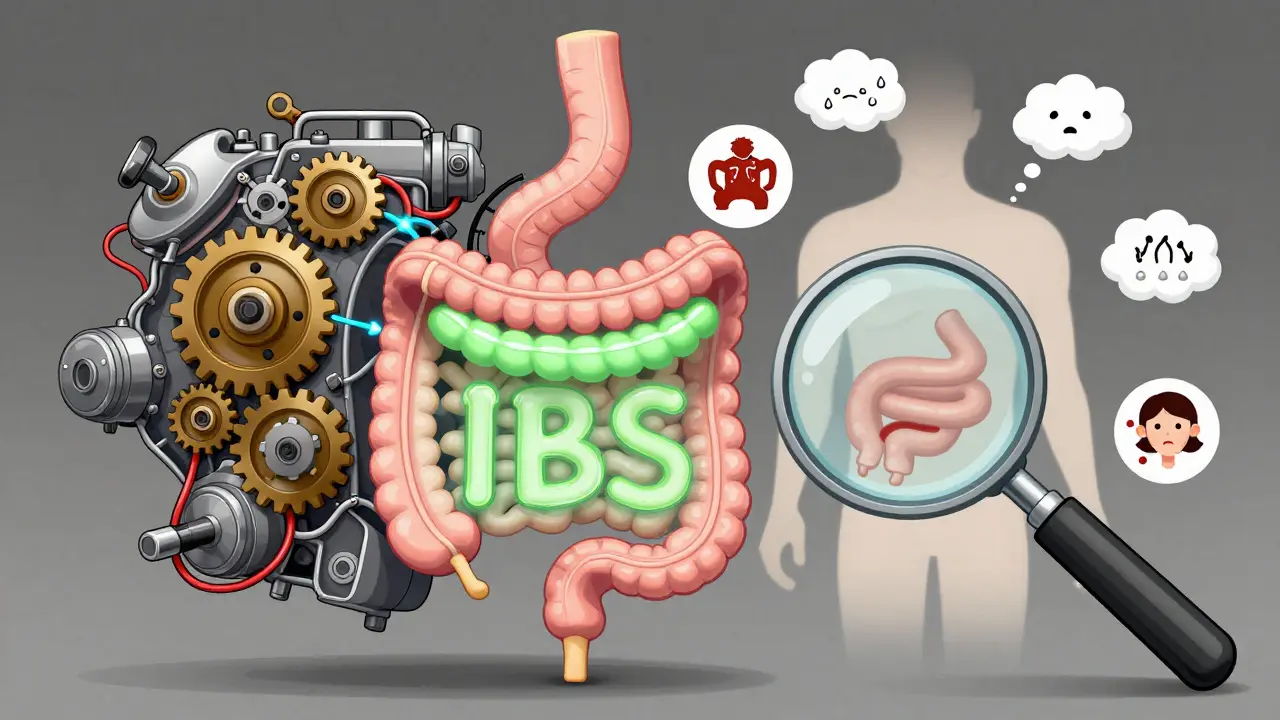
IBS vs. IBD: Functional vs. Inflammatory Bowel Disorders Explained
- by Colin Edward Egan
- on 16 Feb 2026
IBS and IBD share symptoms like bloating and diarrhea, but one is a functional disorder with no physical damage, while the other causes chronic inflammation and structural harm. Know the difference to get the right treatment.
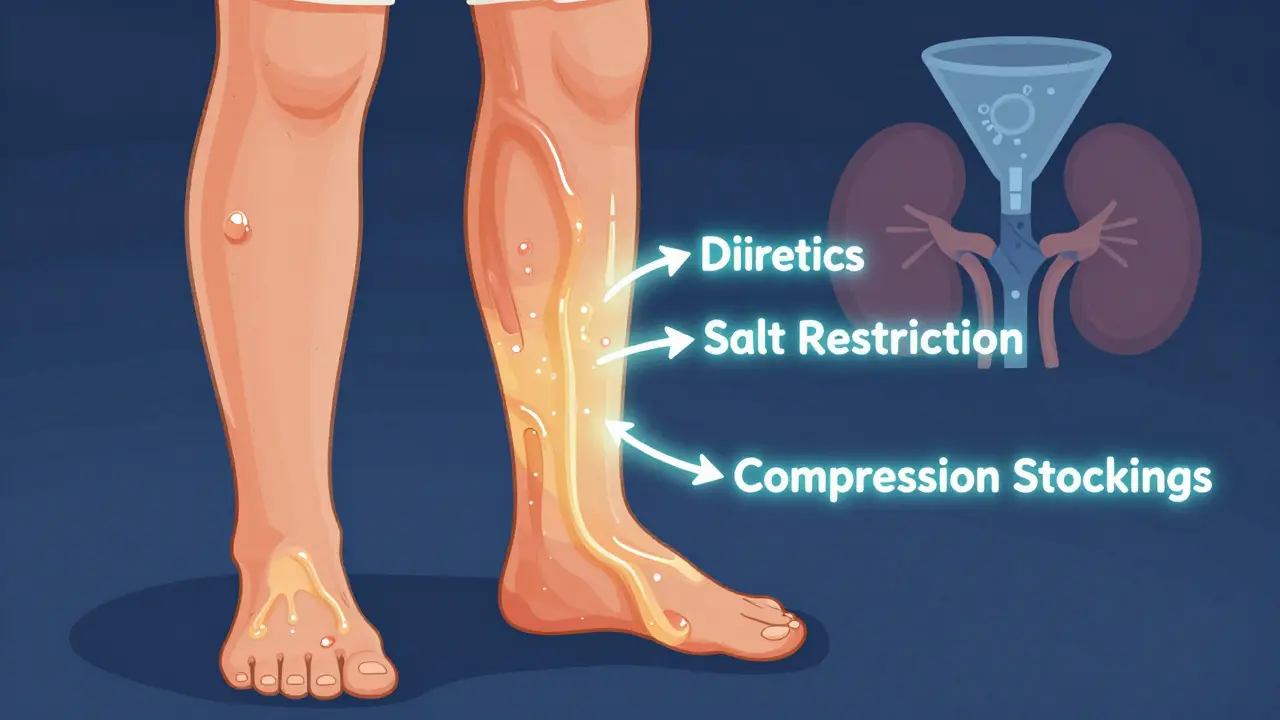
Edema in CKD: How Diuretics, Salt Restriction, and Compression Therapy Work Together
- by Colin Edward Egan
- on 3 Feb 2026
Edema in chronic kidney disease is caused by fluid buildup from poor sodium regulation. Diuretics, strict salt restriction, and compression therapy work together to reduce swelling, prevent complications, and improve quality of life. Learn how each method works-and why combining them is essential.
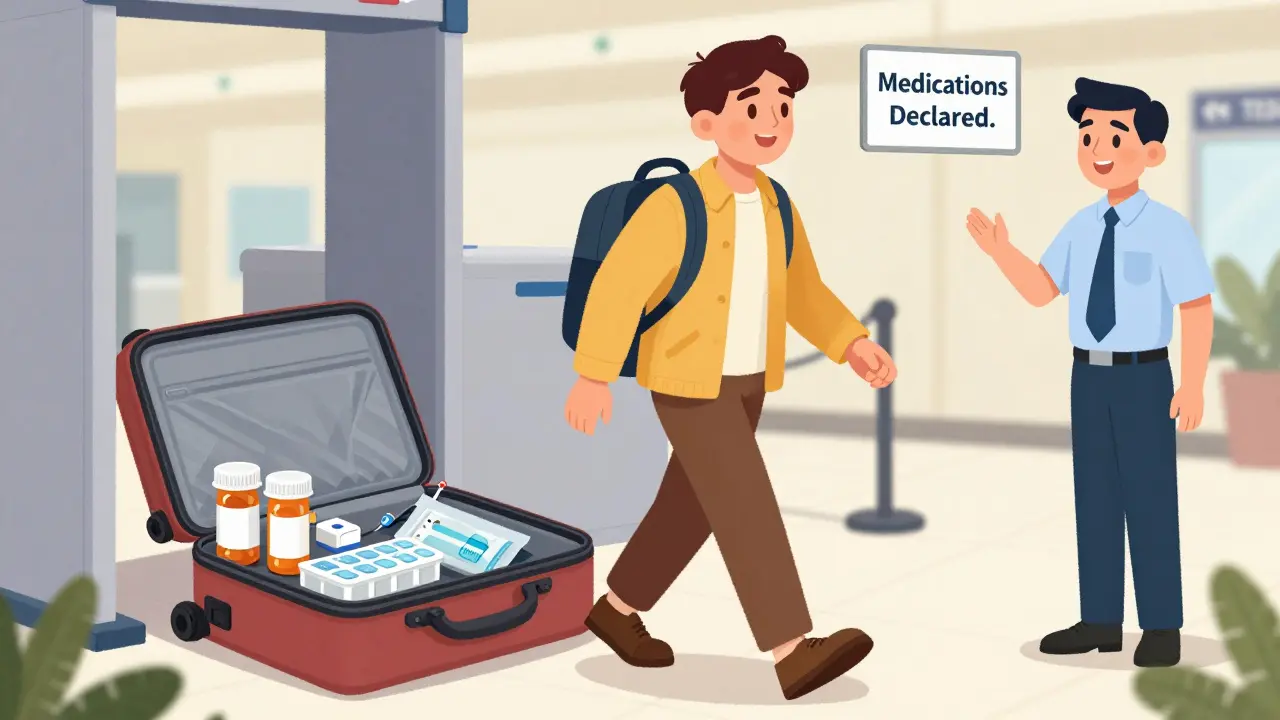
TSA Guidelines for Flying with Prescription Medications: What You Need to Know in 2026
- by Colin Edward Egan
- on 22 Jan 2026
Learn the real TSA rules for flying with prescription meds in 2026-no limits on quantity, what’s banned, how to avoid delays, and international tips. Essential guide for travelers with insulin, CBD, or controlled substances.
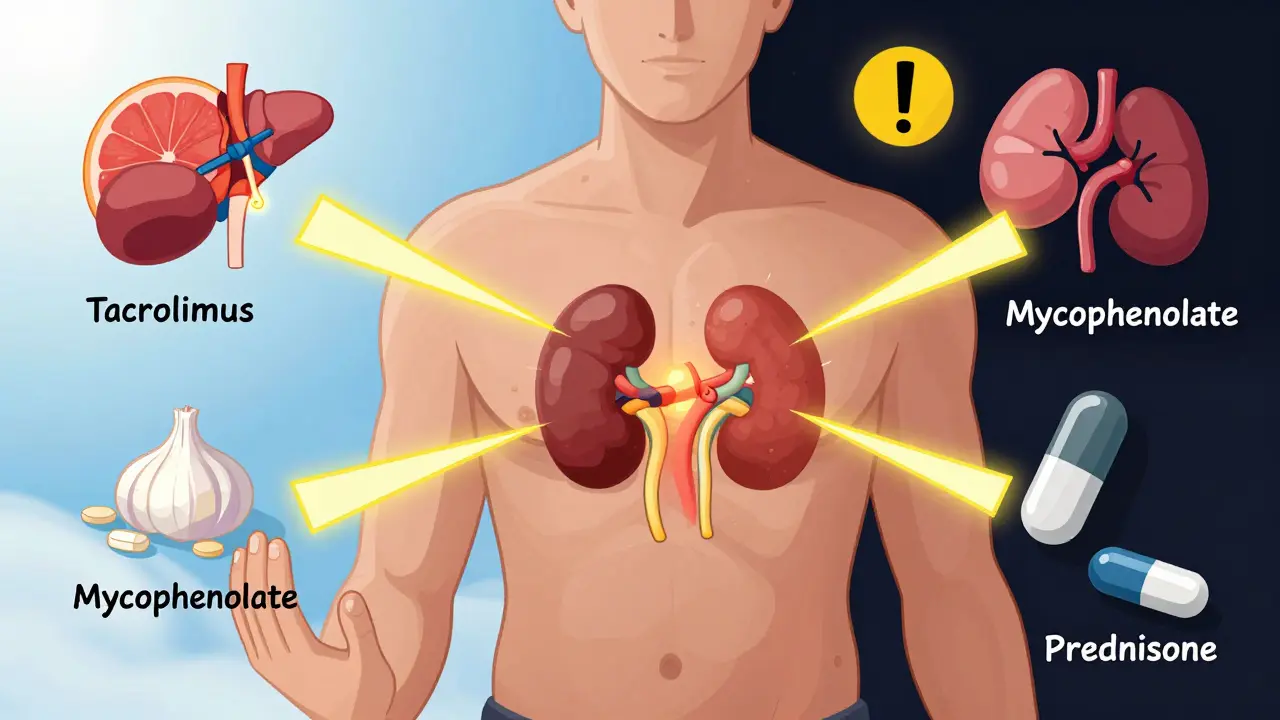
Organ Transplant Recipients: Immunosuppressant Drug Interactions and Side Effects
- by Colin Edward Egan
- on 3 Jan 2026
Immunosuppressant drugs prevent organ rejection but come with serious side effects like diabetes, kidney damage, infections, and cancer. Learn how these drugs interact with other medications, what to watch for, and how to stay safe long-term.