

Every year, millions of people make health decisions based on myths they’ve heard since childhood. Health myths aren’t just harmless rumors-they can delay treatment, cause unnecessary fear, or lead people to avoid proven care. If you’ve ever been told that sugar makes kids hyper, that you need exactly eight glasses of water a day, or that chewing gum stays in your stomach for seven years, you’ve been sold fiction disguised as fact. The good news? Science has answers. And those answers are clearer than ever.
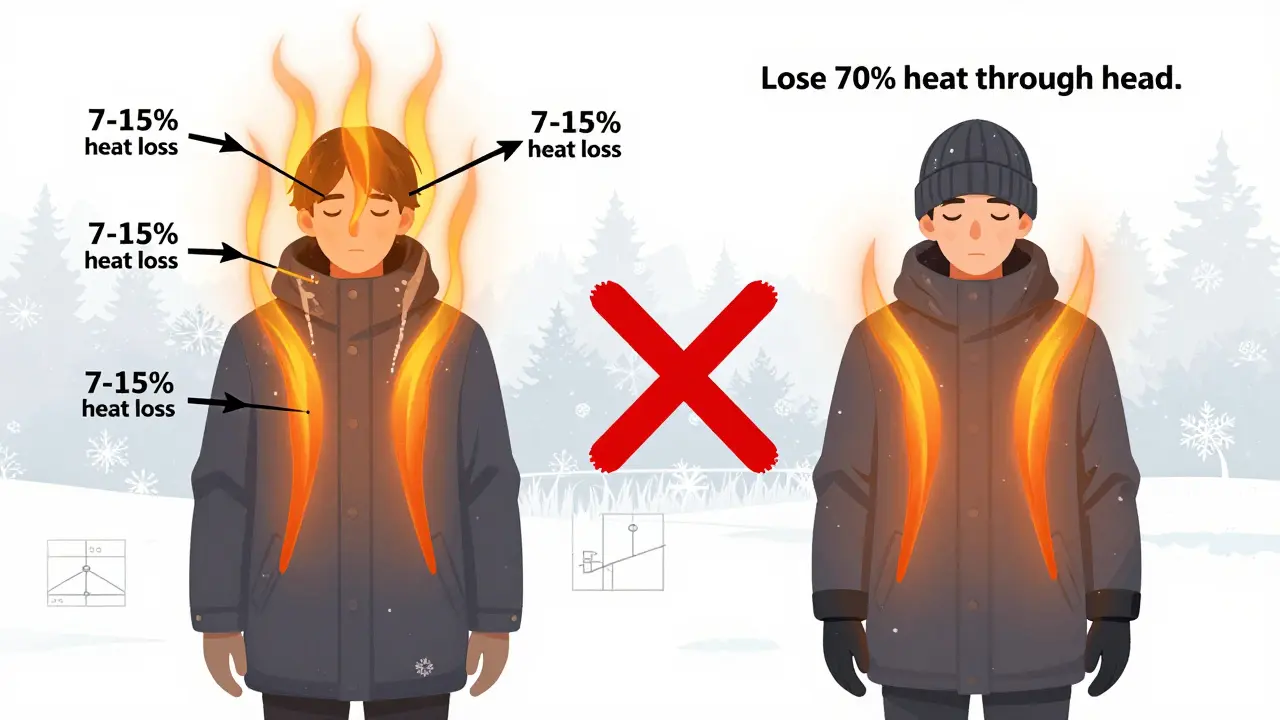
Myth: You Lose 70-80% of Your Body Heat Through Your Head
This one’s been around for decades, often repeated in cold-weather safety guides. The idea is simple: cover your head, stay warm. But here’s the truth-your head doesn’t lose heat faster than any other exposed body part. Studies from UCHealth and the BBC show that the head makes up about 7-15% of total body surface area. That means it loses roughly the same percentage of heat. If you go outside in winter wearing a coat but no hat, you’ll lose heat from your head. But if you wear a hat and leave your hands bare? Your hands will lose just as much heat. The myth persists because it’s easy to remember and sounds logical. But it’s not science. It’s a simplification that got stuck.
Myth: You Need to Drink Eight Glasses of Water a Day
This rule pops up everywhere-from fitness apps to water bottle labels. But where did it come from? A 2002 review by Dr. Heinz Valtin at Dartmouth Medical School found no scientific evidence supporting the “eight glasses” rule. Your body gets water from food, coffee, tea, milk, and even metabolic processes. Hydration needs vary wildly. A person working outdoors in 90°F heat needs more than someone sitting at a desk. Older adults, pregnant women, and people with kidney conditions have different needs too. The best guide? Thirst. If you’re not thirsty and your urine is light yellow, you’re likely hydrated. Forcing water on a healthy person doesn’t improve health-it just leads to more bathroom trips.
Myth: You Only Use 10% of Your Brain
This myth shows up in movies, ads, and self-help books. The idea that we’re underusing our brains suggests there’s untapped potential-just unlock it, and you’ll be a genius. But brain imaging studies using fMRI and PET scans show no inactive areas. Every part of the brain has a function, even during sleep. The 10% myth traces back to a misquote of psychologist William James in the 1920s. Modern neuroscience confirms that even minor brain injuries affect behavior, memory, or movement. If we only used 10%, we’d be far more vulnerable to damage. The brain is energy-hungry-it uses 20% of your body’s calories. Evolution wouldn’t keep such a costly organ if most of it were unused.
Myth: Sugar Causes Hyperactivity in Children
Parents everywhere blame sugary snacks for wild behavior at birthday parties. But 23 double-blind studies, including a 2021 meta-analysis in JAMA Pediatrics, found no link between sugar and hyperactivity. The real culprit? Context. Birthday parties are exciting. Kids are surrounded by noise, friends, and novelty. Sugar is just along for the ride. The myth stuck because it’s convenient-it gives adults a simple explanation for complex behavior. Worse, it’s been reinforced by the sugar industry. Internal Medicine Archives documented lobbying efforts dating back to the 1990s that funded research to downplay sugar’s real risks-like obesity and tooth decay-while pushing the hyperactivity myth as a distraction.
Myth: Chewing Gum Stays in Your Stomach for Seven Years
This one terrifies kids. The story goes: swallow gum, and it’ll stick to your insides for years. But your digestive system doesn’t stop working because you swallowed gum. It’s not digested, sure-but it doesn’t get stuck. Dr. Ian Tullberg at UCHealth confirmed that gum passes through your system in two to four days, just like other indigestible materials (think corn kernels or seeds). The myth likely started because gum is rubbery and unfamiliar. But the human gut is designed to move things along-even things it can’t break down. If gum stayed in your stomach, we’d have a whole new medical emergency.
Myth: Superfoods Like Acai or Goji Berries Are Miracle Cures
Marketing loves this one. Acai bowls, goji berry smoothies, kale chips-they’re sold as superfoods with extraordinary health powers. But there’s no official definition of “superfood” in nutrition science. The European Food Information Council calls it a marketing term, not a scientific one. Blueberries, spinach, and nuts are healthy. So are bananas, oats, and eggs. No single food has magic properties. What matters is your overall diet. Eating a bowl of acai berries won’t reverse diabetes, lower cholesterol, or cure cancer. But eating a variety of whole, unprocessed foods over time? That does.
Why Do These Myths Stick Around?
Myths don’t vanish just because they’re false. They survive because they’re simple, emotionally satisfying, or tied to culture. The “eight glasses” rule is easy to follow. The “10% brain” myth makes people feel like they’ve got untapped potential. Sugar and hyperactivity gives parents a clear villain. These stories feel true even when they’re not. Worse, when you correct a myth, you risk triggering the “backfire effect”-where people cling harder to the false belief because it’s tied to their identity or worldview. That’s why simply saying “that’s wrong” rarely works.
How to Correct Myths the Right Way
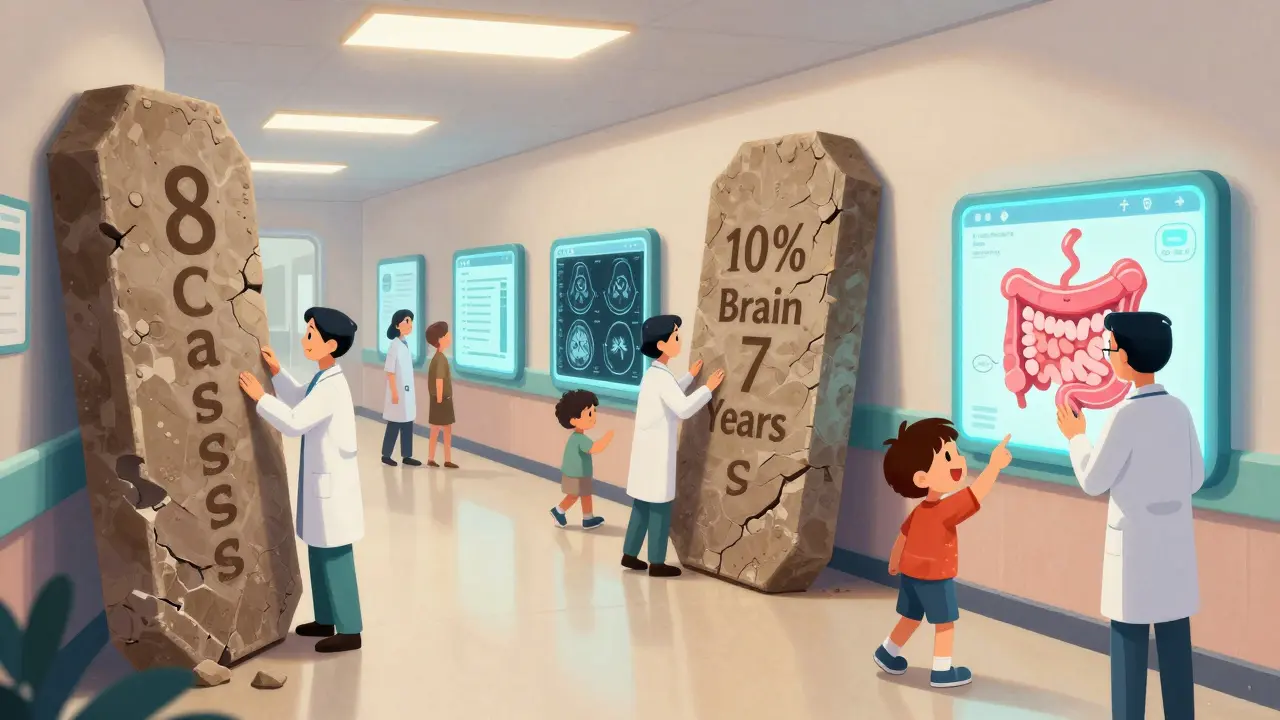
Experts now recommend the “truth sandwich” method: start with the fact, briefly mention the myth with clear labeling (e.g., “Some people think… but that’s not true”), then end with the fact again. For example: You don’t lose most heat through your head. Some believe your head is the main source of heat loss, but research shows it’s just one part of your body. Heat loss depends on what’s exposed-not which body part. This approach increases retention by 47%, according to the American Association for the Advancement of Science. Visuals help too. Videos showing how the body loses heat, or how gum moves through the gut, are far more effective than text alone. Veritasium’s video on body heat got over 4 million views because it showed, not just told.
What Happens When Myths Go Unchallenged?
When patients believe myths, they make poor health choices. Someone who thinks sugar doesn’t cause harm might skip screening for prediabetes. Someone who avoids vaccines because of debunked myths might put their child at risk. A 2023 American Hospital Association report found that hospitals that proactively addressed common myths in patient education saw a 31% increase in treatment adherence. That’s not just about knowledge-it’s about trust. When patients feel heard and corrected with care, they’re more likely to follow medical advice.
What’s Being Done Today?
Hospitals are stepping up. In 2023, 68 U.S. hospitals launched formal myth-debunking programs in patient education materials-up from just 12 in 2020. The WHO’s Myth Busters initiative has corrected over 2,300 myths across 187 countries. Google’s “About This Result” feature now adds context to search results, helping users spot misinformation before they click. Social media platforms are partnering with fact-checkers, but results are mixed. Facebook’s program reaches billions but only corrects 34% of misinformation, according to MIT. That’s why healthcare providers are now training staff in “FIRE” communication: Facts, Interpretation, Resolution, Emotion. It’s not just about data-it’s about connecting with people.
What You Can Do
- When you hear a health claim, ask: “Where’s the evidence?”
- Check sources. Peer-reviewed journals beat blog posts.
- Don’t share unverified claims-even if they sound right.
- If you’re a parent, teacher, or caregiver, correct myths gently. Say: “I used to believe that too, but here’s what science says now.”
- Use trusted sources: CDC, WHO, Mayo Clinic, or your doctor’s office.
Myths won’t disappear overnight. But every time you replace a myth with a fact, you help someone make a better choice. That’s the real power of patient education-not just informing people, but freeing them from the weight of false beliefs.
Is it true that you need to drink eight glasses of water every day?
No, there’s no scientific basis for the “eight glasses a day” rule. Your hydration needs depend on your body size, activity level, climate, and diet. Most people get enough water from food and beverages like tea, coffee, and milk. Thirst and urine color (light yellow = well-hydrated) are better guides than a fixed number.
Does sugar really make children hyperactive?
No. Twenty-three controlled studies, including a 2021 meta-analysis in JAMA Pediatrics, found no link between sugar intake and hyperactivity in children. The perception likely comes from context-birthday parties, holidays, or excitement-where sugary foods are often served. The myth has been reinforced by sugar industry lobbying over decades.
Can chewing gum stay in your stomach for years?
No. While your body can’t digest gum, it doesn’t stick around. Chewing gum passes through your digestive system in two to four days, just like other indigestible items (such as seeds or corn kernels). It exits the body naturally without causing harm.
Are superfoods like acai or goji berries really better than regular fruits and vegetables?
No. “Superfood” is a marketing term, not a scientific one. While acai and goji berries are nutritious, they offer no unique benefits that can’t be found in common foods like blueberries, spinach, or oranges. A balanced diet with varied whole foods is more effective than relying on any single “super” food.
Why do health myths persist even after being debunked?
Myths stick because they’re simple, emotionally satisfying, or tied to cultural beliefs. People often cling to them even when shown evidence, especially if the myth aligns with their identity or worldview. This is called the “backfire effect.” The best way to counter it is to use the “truth sandwich” method-state the fact, briefly label the myth, then repeat the fact.
Sabrina Sanches
March 13, 2026 AT 22:56Also, sugar doesn't make kids wild-it’s the party. Duh.
Why do we still believe this stuff?
Katherine Rodriguez
March 14, 2026 AT 04:17Sally Lloyd
March 16, 2026 AT 01:16Leah Dobbin
March 17, 2026 AT 08:21Frankly, it’s amateurish.
Ali Hughey
March 17, 2026 AT 16:41WE’RE ALL BEING MANIPULATED.
WHY DOESN’T THE MEDIA TELL US THIS?! 😱💧
Alex MC
March 18, 2026 AT 07:25I used to think I was weird for not drinking 8 glasses. Now I know I’m just listening to my body.
Thank you for the science. 🙏
rakesh sabharwal
March 20, 2026 AT 02:00What of structural determinants of health misinformation?
Aaron Leib
March 20, 2026 AT 08:19It’s not just about facts-it’s about why we believe them.
That’s the real key to changing minds.
Dylan Patrick
March 20, 2026 AT 17:05Went in. Came out. No drama.
Why do adults still tell kids this??
Kathy Leslie
March 21, 2026 AT 00:29Patients skip meds because they think sugar won’t hurt them.
Or they avoid the doctor because they think ‘my head lost heat’ so they’re fine.
Thank you for writing this.
It matters.
Amisha Patel
March 21, 2026 AT 23:48Maybe science just caught up.
Elsa Rodriguez
March 23, 2026 AT 11:20They’re lying about everything.
Who funds the ‘science’ that says sugar doesn’t cause hyperactivity?
THE SAME COMPANIES THAT MAKE THE SUGAR.
IT’S A COVER-UP.
THEY’RE HIDING THE TRUTH.
WE’RE ALL BEING POISONED.
Buddy Nataatmadja
March 25, 2026 AT 09:02This whole post? That’s it right there.