
Medication Adherence: Why Sticking to Your Prescription Saves Lives
When you take your medicine exactly as your doctor meant it, that’s medication adherence, the practice of taking drugs at the right time, in the right dose, and for the full duration prescribed. Also known as drug compliance, it’s not just a habit—it’s a life-support system for chronic conditions like high blood pressure, diabetes, depression, and heart disease. Missing even one dose can undo weeks of progress. For some, it means avoiding hospitalization. For others, it means staying alive.
Why do people miss doses? It’s rarely laziness. It’s confusion over prescription abbreviations, like QD vs QID, which can lead to taking four times the intended dose. It’s fear of medication side effects, like muscle pain from statins or itching from antibiotics. It’s cost—seeing a $500 pill and wondering if it’s worth it. Or it’s forgetfulness, especially when juggling five different drugs with different schedules. The therapeutic drug monitoring, a process that measures blood levels of drugs like tricyclic antidepressants to ensure safety and effectiveness is one tool doctors use to catch problems before they turn deadly.
And it’s not just about the pills. If you’re on warfarin and start an antibiotic, your INR can spike and cause internal bleeding. If you’re taking SAMe with an antidepressant, you risk serotonin syndrome. If you’re on statins and get a rare muscle breakdown called rhabdomyolysis, you need to know the signs—dark urine, severe weakness—before it’s too late. These aren’t rare events. They happen because people stop checking in, stop asking questions, and stop tracking how they feel.
Real adherence means knowing your meds inside out. It means using a pill organizer, setting phone alarms, writing down side effects in a journal, and bringing that journal to your doctor. It means asking: "Is this still necessary?" "Is there a cheaper version?" "What happens if I skip this?" It means understanding that authorized generics and patent expirations can make your drugs cheaper without changing how they work. It means knowing that genetic tests can tell you if your body breaks down a drug too fast—or too slow—making standard doses dangerous.
There’s no magic fix. But the more you understand your treatment, the less likely you are to give up. The posts below show you exactly how to do that—whether you’re managing depression, heart disease, high eye pressure, or a rare infection. You’ll find practical tools, hidden risks, and real stories from people who learned the hard way. This isn’t theory. It’s survival.
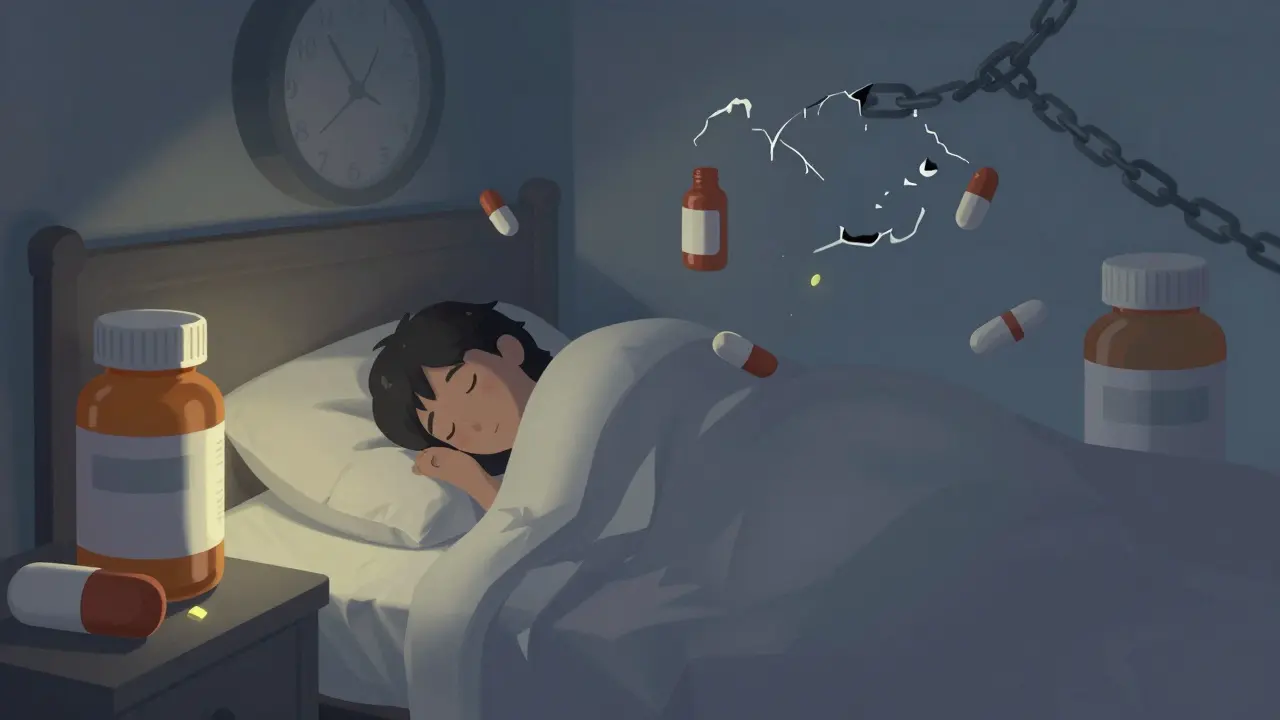
How to Recognize Depression’s Impact on Medication Adherence
- by Colin Edward Egan
- on 1 Feb 2026
Depression significantly reduces medication adherence across chronic illnesses, increasing risks of hospitalization and death. Learn how to spot the signs, use validated tools like PHQ-9 and MMAS-8, and implement practical strategies to support patients struggling with both mental and physical health.

Best Medication Reminder Apps and Digital Tools to Improve Adherence in 2026
- by Colin Edward Egan
- on 15 Jan 2026
Discover the most effective medication reminder apps and digital tools in 2026 that actually improve adherence. Real data, user reviews, and practical steps to find the right one for your needs.
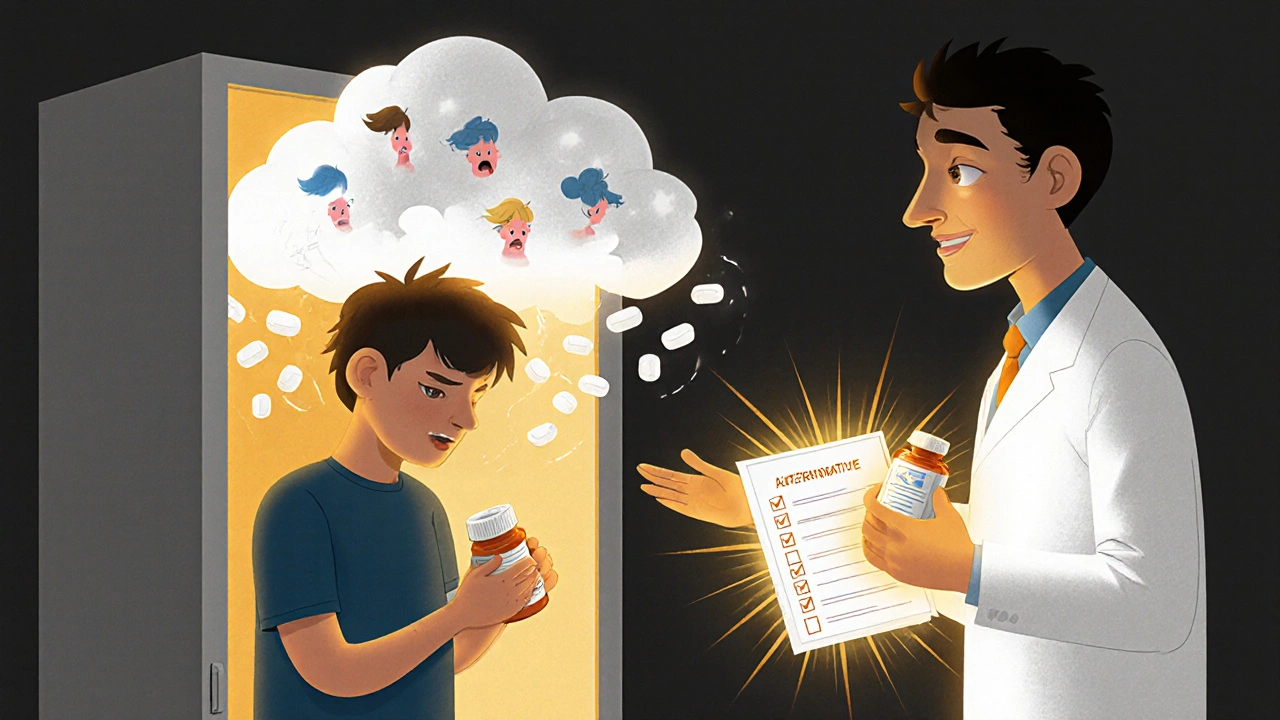
Side Effects and Medication Adherence: How to Stay on Track When Drugs Cause Problems
- by Colin Edward Egan
- on 26 Nov 2025
Side effects are the top reason people stop taking their meds-but they don’t have to. Learn how to manage discomfort, talk to your pharmacist, and stay on track with your treatment without quitting.