
Wound Healing: What Helps, What Hurts, and How Medications Affect Recovery
When your skin gets cut, scraped, or burned, your body starts a complex process called wound healing, the biological process of repairing damaged tissue after injury. Also known as tissue repair, it’s not just about closing a gap—it’s about rebuilding strength, preventing infection, and restoring function. This process happens in stages: stopping the bleeding, fighting off germs, building new tissue, and finally remodeling the area. But many people don’t realize how much their medications can slow this down—or even make it worse.
Take nonsteroidal anti-inflammatory drugs, common pain relievers like ibuprofen and naproxen that reduce swelling and pain. They help with discomfort, but they also interfere with early inflammation, which is actually necessary to kickstart healing. Then there’s corticosteroids, prescription drugs used for inflammation, asthma, or autoimmune conditions. These can suppress your immune response so much that even a small cut takes weeks to close. Even antibiotics, medications designed to kill bacteria and prevent infection, can disrupt the natural balance of microbes on your skin, making some wounds more prone to reinfection.
Wound healing isn’t just about what you put on the skin—it’s about what’s inside your body. Diabetes, poor circulation, and malnutrition all play a role, but so do the pills you take every day. A simple blister can turn into a serious problem if you’re on long-term steroids or blood thinners. And if you’re using topical antiseptics like hydrogen peroxide or alcohol too often, you might be killing off the very cells trying to repair the area.
What works? Clean water, gentle dressings, keeping the wound moist (not wet), and avoiding pressure. Some supplements like zinc or vitamin C help—but only if you’re deficient. Most people don’t need extra pills. What they need is awareness: knowing which meds are helping and which are hiding in plain sight as roadblocks to recovery.
Below, you’ll find real-world guides on how medications interfere with healing, how to spot signs of infection, what dressings actually work, and how to avoid common mistakes that turn minor injuries into long-term problems. No fluff. Just what you need to know to let your body do its job.
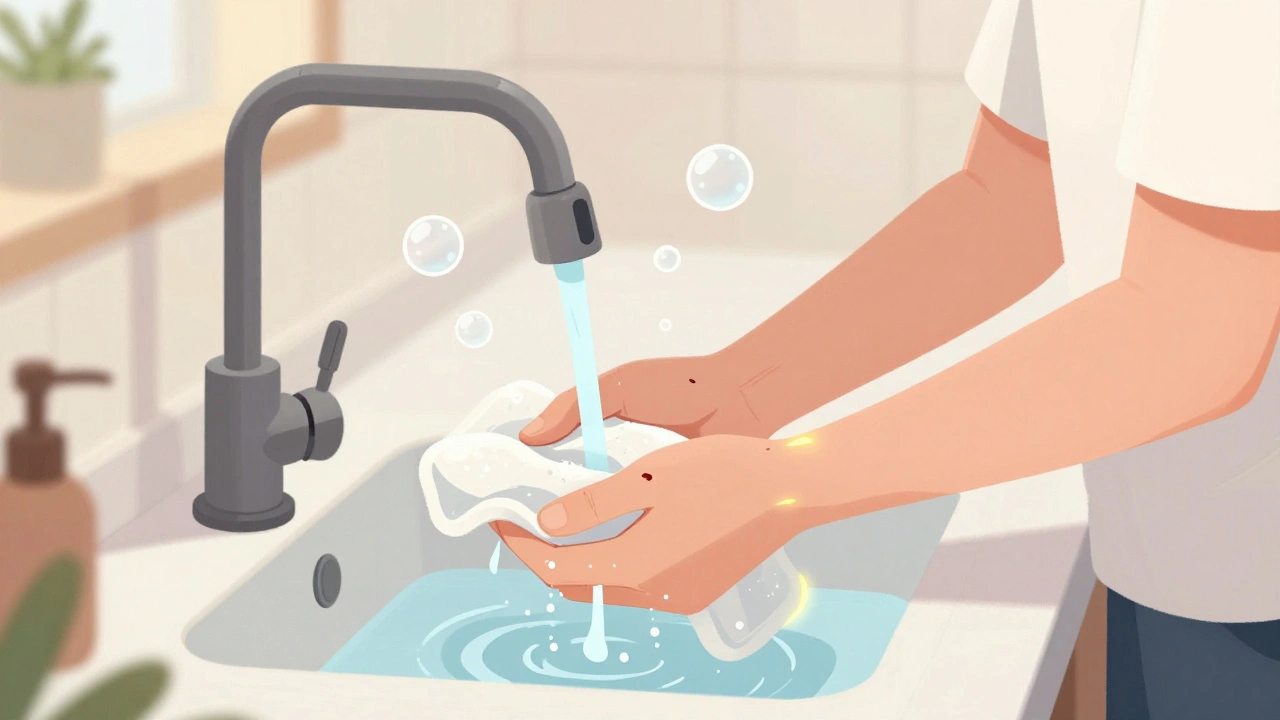
Wound Care Basics: How to Clean, Dress, and Prevent Scars Properly
- by Colin Edward Egan
- on 4 Dec 2025
Learn how to properly clean wounds, choose the right dressings, and prevent scars using evidence-based methods. Avoid common mistakes that delay healing and increase infection risk.