
Stomach Emptying: How Medications, Diet, and Health Conditions Affect Digestion
When your stomach emptying, the process by which food moves from the stomach into the small intestine. Also known as gastric emptying, it’s not just about digestion—it affects how well your body absorbs meds, controls blood sugar, and avoids uncomfortable symptoms like nausea or bloating. If this process slows down, you’re not just feeling full longer—you might be dealing with gastroparesis, a condition where the stomach takes too long to empty its contents. It’s more common than you think, especially in people with diabetes, after surgery, or when taking certain medications.
Some drugs directly mess with stomach emptying. Antidepressants like vortioxetine, a medication used for depression that can cause nausea as a side effect, slow digestion just enough to make you feel queasy. Opioids, anticholinergics, and even some blood pressure meds can do the same. It’s not always the drug’s main job—it’s just a side effect that gets ignored until you’re stuck with bloating after every meal. On the flip side, if your stomach empties too fast, you get dumping syndrome, which can spike blood sugar and cause dizziness. Both extremes mess with your energy, nutrition, and how well your other meds work.
It’s not just about pills. Diabetes is the top cause of delayed stomach emptying. High blood sugar damages the nerves that signal the stomach to contract. That’s why people with long-term diabetes often report feeling full after just a few bites, or vomiting hours after eating. But it’s not just diabetes—thyroid disorders, Parkinson’s, and even chronic stress can throw off the timing. And here’s the thing: if your stomach doesn’t empty right, your body can’t absorb meds properly. That means your blood pressure pill, your thyroid med, or your painkiller might not work like it should.
What you eat matters too. Fatty foods, fiber-heavy meals, and large portions all slow things down. Simple carbs and liquids move faster. That’s why doctors often recommend smaller, low-fat meals for people with slow stomach emptying. Ginger, movement after eating, and even chewing gum can help nudge things along. But if you’re consistently nauseous, vomiting undigested food, or losing weight without trying, it’s not just "indigestion"—it’s a signal your stomach isn’t doing its job.
Below, you’ll find real-world guides on how medications, diet, and health conditions interact with digestion. From how antidepressants cause nausea to how to spot dangerous drug interactions that slow gastric emptying, these posts give you the practical info you need—not just theory. You’ll learn what to ask your doctor, how to track symptoms, and what steps actually help when your stomach just won’t cooperate.
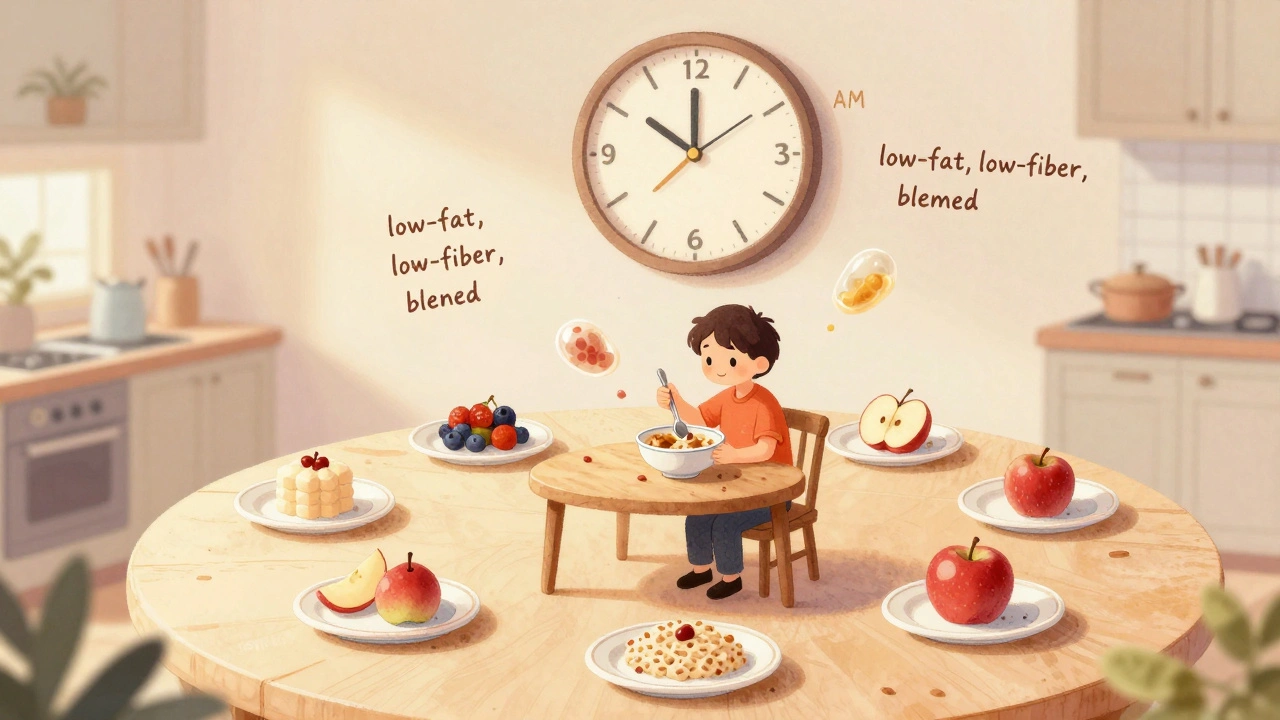
Gastroparesis: How to Manage Delayed Gastric Emptying with Diet and Lifestyle Changes
- by Colin Edward Egan
- on 6 Dec 2025
Gastroparesis causes delayed stomach emptying, leading to nausea, vomiting, and bloating. Learn how diet changes-like eating small, blended meals and avoiding fat and fiber-can significantly reduce symptoms and improve quality of life.