
Patient Safety: Protect Yourself from Medication Errors and Dangerous Interactions
When it comes to your health, patient safety, the practice of preventing harm caused by medical errors or unsafe drug use. Also known as medication safety, it’s not something you leave to doctors or pharmacists—it’s something you have to actively manage every time you take a pill, use an inhaler, or fill a prescription. Too many people assume that if a drug is prescribed or sold over the counter, it’s automatically safe. But the truth is, patient safety breaks down in small, quiet ways: a misread label, a forgotten allergy, a drug combo that spikes your blood pressure, or a child grabbing pills from an unlocked cabinet.
That’s why medication errors, mistakes in prescribing, dispensing, or taking drugs that lead to harm are one of the top causes of preventable injury in the U.S. They’re not always dramatic—sometimes they’re just a patient taking QD instead of QID, or mixing warfarin with an antibiotic that spikes their INR. Other times, it’s someone taking statins without checking their CK levels first, or combining antidepressants with SAMe and risking serotonin syndrome. These aren’t rare events. They happen because the system assumes you know the risks—and most of us don’t.
drug interactions, when two or more medications react in a way that changes their effect, often dangerously are especially sneaky. You might be fine on one drug alone, but add another—like an ADHD stimulant with an MAOI—and you could trigger a hypertensive crisis. Or take an antifungal with a statin, and your muscles start breaking down. These aren’t theoretical risks. They’re documented, deadly, and often avoidable if you know what to look for. And it’s not just about pills. Even supplements like SAMe or authorized generics can change how your body handles your regular meds. Patient safety means asking: What else am I taking? Could this mix hurt me?
And then there’s medication adherence, the act of taking your drugs exactly as prescribed, even when side effects make it hard. It’s not about being lazy or forgetful—it’s about managing nausea from vortioxetine, itching from an antibiotic, or fear of muscle pain from statins. You don’t quit because the drug makes you feel bad. You talk to your pharmacist, adjust timing, use ginger, or switch doses. Staying on track isn’t optional—it’s what turns a good treatment into a life-changing one.
Finally, overdose prevention, the actions taken to stop accidental or intentional overdose, especially with opioids and sedatives starts at home. If you’re storing pain meds in a bathroom cabinet, you’re not just being convenient—you’re risking your kids, your teens, or a guest who doesn’t know what they’re grabbing. Lockboxes, child-resistant caps, and clear labels aren’t overkill. They’re basic protection. Same with knowing how to spot expired drugs—color changes, strange smells, or crumbly texture aren’t just signs of age. They’re red flags for toxins.
Everything below is built around these real, daily risks. You’ll find step-by-step guides on using an EpiPen in an emergency, how to store opioids safely, how to read your drug labels like a pro, and what to do when side effects make you want to quit. No fluff. No theory. Just what works when your health is on the line.
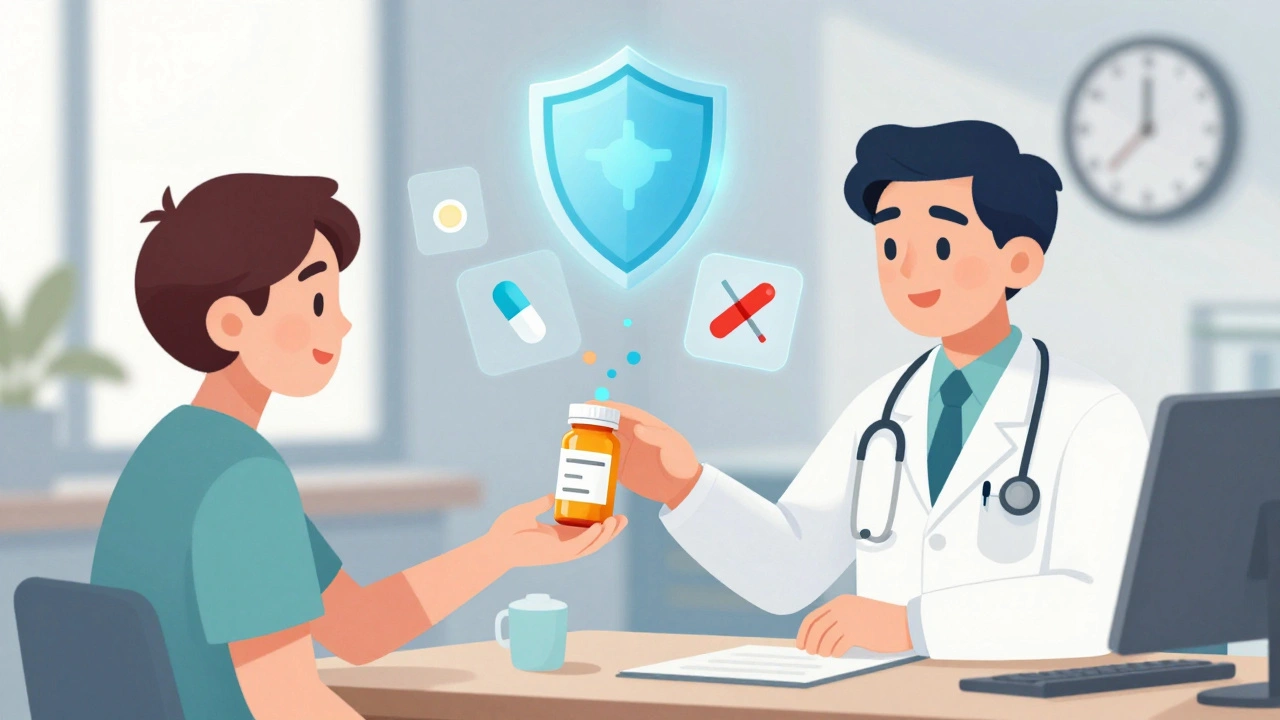
How to Report a Medication Safety Concern to Your Clinic
- by Colin Edward Egan
- on 5 Dec 2025
Learn how to report a medication safety concern to your clinic quickly and effectively. Step-by-step guidance on what to say, who to talk to, and what happens after you report-so you can help prevent harm before it happens.