
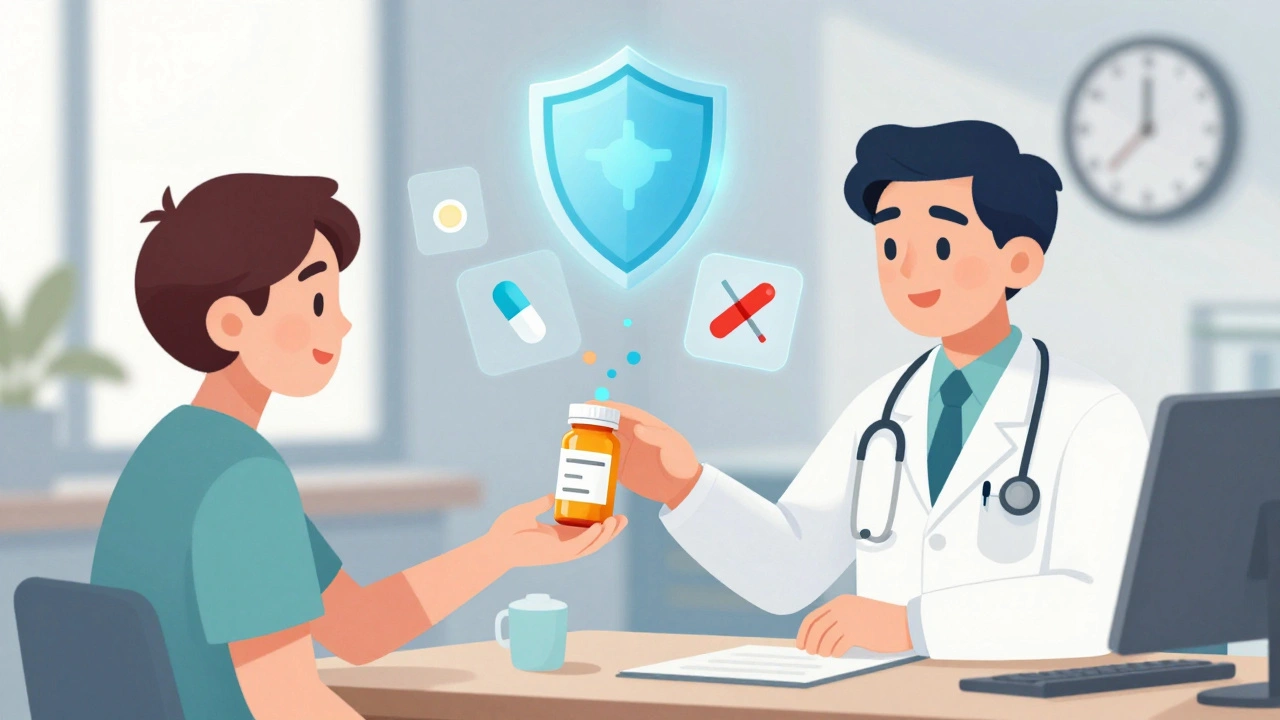
Something doesn’t feel right with your medication. Maybe the pill looks different. Maybe the dose feels off. Or maybe you noticed the nurse gave you the wrong time or the wrong drug entirely. You’re not imagining it. And you’re not overreacting. Reporting this isn’t just your right-it’s one of the most powerful ways to stop a mistake before it hurts someone else.
Why Reporting Matters More Than You Think
Most people think medication errors only happen in hospitals. But they happen in clinics too-every day. A 2022 study found that 87% of preventable medication harms are caught before they reach patients, thanks to staff and patients speaking up. That’s not luck. It’s because someone reported it.
When you report a concern, you’re not accusing anyone. You’re helping fix a broken process. Maybe the label was misprinted. Maybe two pills look almost identical. Maybe the system didn’t flag a dangerous interaction. These aren’t about bad people. They’re about bad systems. And systems can be fixed-if someone speaks up.
Clinics that encourage reporting see 32.7% fewer medication errors within 18 months. That’s not theory. That’s data from the ECRI Institute. And it’s why federal rules now require every accredited clinic in the U.S. to have a safety reporting system. You’re not stepping on toes. You’re helping them meet the law.
What Counts as a Safety Concern?
You don’t need to be a doctor to know something’s wrong. Here’s what to watch for:
- You were given a different pill than what your prescription says
- The dose is higher or lower than your doctor ordered
- The medication was given at the wrong time
- You were given someone else’s prescription
- The pill looks different than usual, and no one explained why
- You experienced side effects you weren’t warned about
- A medication was given without a signed consent form
- The pharmacy label doesn’t match the prescription
Even if nothing bad happened yet, report it. The Institute for Safe Medication Practices calls these “near-misses.” They’re the quiet warnings before a disaster. One patient reported a wrong insulin dose-and it turned out three others had gotten the same error in the past month. That’s how systems get fixed.
How to Report It-Step by Step
Reporting is easier than you think. You don’t need to fill out a 10-page form or wait weeks. Here’s how to do it right:
- Act fast. Report it the same day you notice it. The sooner, the better. Clinics that respond within 24 hours fix problems 40% faster.
- Know your details. Have ready: your name, medical record number, the medication name, the dose you were supposed to get, the dose you got, when it was given, and what happened after (e.g., “I felt dizzy,” “My heart raced”).
- Go to the right place. Don’t just tell a receptionist. Ask for the Patient Safety Officer. Every accredited clinic has one. If they don’t know who that is, ask for the nurse manager or clinic director.
- Use the right channel. Most clinics accept reports in person, over the phone, through their patient portal, or via a dedicated hotline. If you’re unsure, ask: “Where do I report a medication safety concern?”
- Be specific. Say: “I was given 10 mg of lisinopril, but my script said 5 mg.” Don’t say: “I think something’s wrong.” Details matter.
- Ask for confirmation. After you report, ask: “Will I get a follow-up?” By law, clinics must respond within 24 hours. If they don’t, ask again.
It usually takes less than 10 minutes. You’re not filing a lawsuit. You’re giving the clinic the data they need to protect you and others.
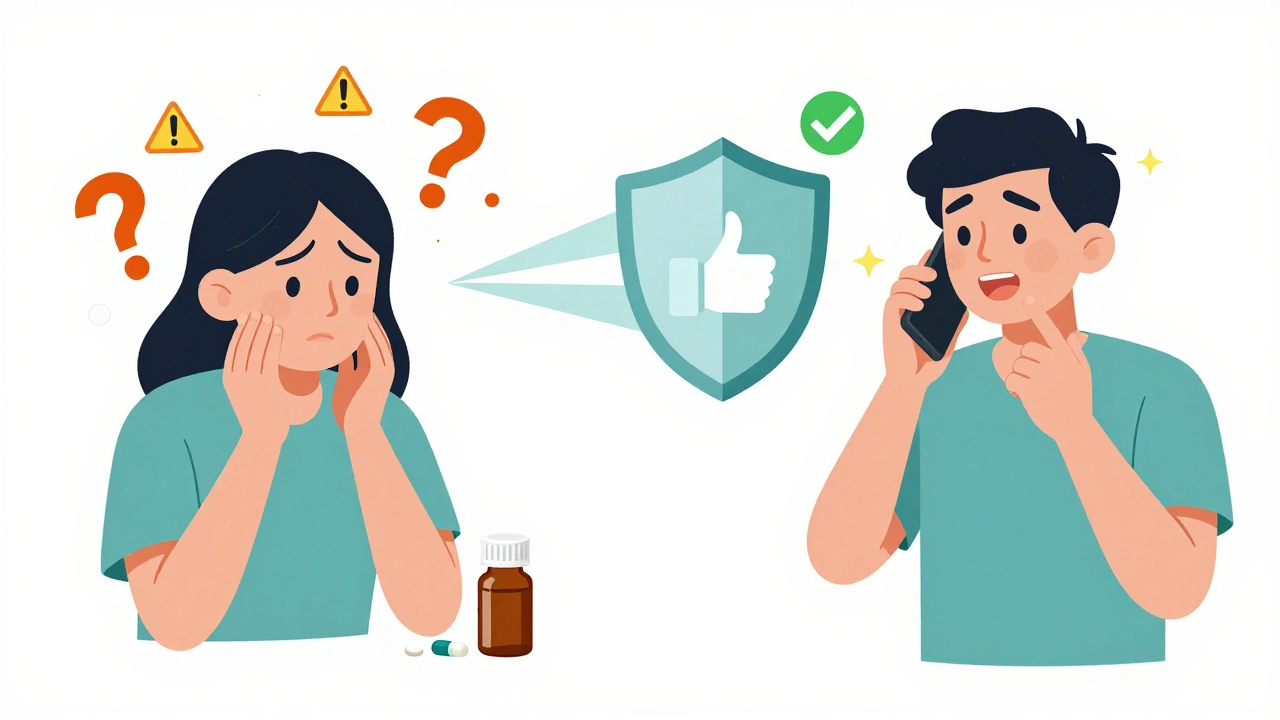
What Happens After You Report?
Once you report, here’s what should happen:
- Within 2 hours: You’ll get an automated confirmation (email, text, or portal alert).
- Within 24 hours: Someone will contact you to thank you and ask for more details if needed.
- Within 72 hours: You should get a clear explanation of what they found and what they’re changing.
For example: “We found the pharmacist misread the handwriting on your script. We’ve added a digital verification step for all handwritten orders.” That’s what success looks like.
Some clinics even send you a short note saying: “Thanks to your report, we fixed a flaw in our labeling system that could’ve affected 15 other patients.” That’s rare-but it happens in clinics with strong safety cultures.
Don’t expect punishment. The goal isn’t to blame you or the staff. The goal is to fix the system. That’s why federal law (the Patient Safety and Quality Improvement Act of 2005) protects your report. It’s confidential. It can’t be used against anyone in court.
What If They Ignore You?
Some clinics still treat reports like complaints. If you’re brushed off, don’t give up. Here’s what to do:
- Ask again: “I’ve reported this for patient safety. Can I speak with the Patient Safety Officer directly?”
- Write it down: Date, time, who you spoke to, what they said. Keep a copy.
- Go higher: Request to speak with the clinic director or medical director.
- Use the patient portal: Many portals have a “Safety Concern” button. Use it. It creates a digital trail.
- If still ignored: Contact your state’s medical board or the FDA’s MedWatch program. But that’s step three. First, give your clinic a real chance to fix it.
One patient in California reported an insulin error three times. No action. She finally went to the state board. The clinic was fined. But three other patients had already been harmed. Don’t wait for that.
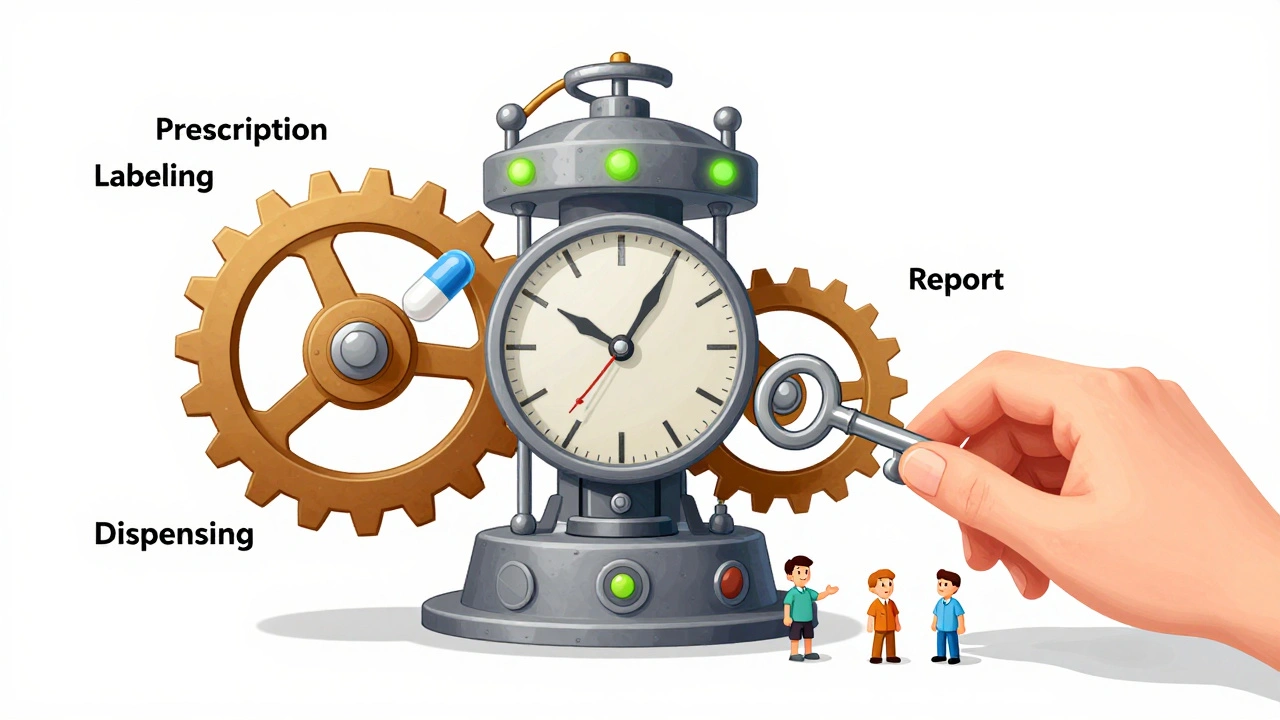
Why Your Voice Matters
Patients are the last line of defense. A 2023 survey found that 74% of patients who got a follow-up after reporting felt more confident in their care. Only 26% did if they got no reply.
At Mayo Clinic, their “Speak Up” program increased patient reports by 210% over three years-and cut actual medication errors by 37%. That’s because they listened. And acted.
Doctors and nurses aren’t trying to hurt you. But they’re overworked. Systems are messy. Technology glitches. Labels blur. A single report can prevent a chain reaction. One wrong dose leads to a hospital stay. One hospital stay leads to a lawsuit. One lawsuit leads to a policy change. But if you speak up early? That chain stops right there.
There’s no reward. No badge. No applause. But you’re doing something rare: you’re protecting someone you don’t even know. Maybe it’s the next person in the waiting room. Maybe it’s your neighbor. Maybe it’s your parent.
What You Shouldn’t Do
- Don’t wait to see if it happens again.
- Don’t assume someone else already reported it.
- Don’t feel guilty for speaking up.
- Don’t report to the pharmacy only-your clinic needs to know too.
- Don’t use social media as your first step. It won’t fix the system.
Reporting isn’t about anger. It’s about care. It’s about saying: “I trust this place enough to help make it better.”
Final Thought: You’re Not Just a Patient. You’re a Safety Partner.
Medication safety isn’t just the clinic’s job. It’s yours too. The system is designed to catch mistakes-but only if you tell it where they are. You know your body. You know your meds. You’re the only one who can spot the mismatch between what’s written and what’s given.
So next time something feels off-speak up. It takes five minutes. It might save a life. And it’s the quietest kind of heroism there is.
pallavi khushwani
December 6, 2025 AT 10:13you know, i’ve been thinking-medication safety isn’t just about pills and labels, it’s about trust. we hand over our bodies to systems we don’t understand, and we expect them not to break. when someone speaks up, they’re not being difficult-they’re reminding us that care should be human first, process second.
Kay Jolie
December 7, 2025 AT 10:12absolutely. the epistemological framework of patient-reported safety incidents reveals a profound epistemic asymmetry between clinical infrastructure and lived experience. we’re not merely ‘reporting errors’-we’re performing epistemic justice by foregrounding embodied knowledge that algorithmic systems systematically devalue. the ECRI data? it’s not just statistics-it’s a manifesto.
Dan Cole
December 9, 2025 AT 05:13you people are missing the point. this isn’t about ‘trust’ or ‘epistemic justice.’ it’s about accountability. if your clinic can’t get a 5mg vs 10mg distinction right, they shouldn’t be allowed to operate. the FDA’s MedWatch system exists for a reason-stop treating this like a feel-good TED Talk and start demanding structural consequences. i’ve seen this too many times. it’s not ‘bad systems’-it’s incompetent people.
Billy Schimmel
December 10, 2025 AT 20:10yeah, i guess you’re right. i mean, why bother saying anything? let’s just hope the nurse doesn’t mix up the insulin again. maybe next time it’ll be someone else’s parent. good luck with that.
Shayne Smith
December 12, 2025 AT 05:56my aunt reported a wrong dose last year. they sent her a handwritten thank-you note and a free coffee coupon. she cried. i told her to keep going. someone’s gotta do it.
Katie O'Connell
December 13, 2025 AT 12:12While the pedagogical underpinnings of patient safety advocacy are laudable, one must interrogate the ontological validity of conflating anecdotal experience with systemic efficacy. The ECRI Institute’s metrics, while statistically significant, lack longitudinal peer-reviewed validation. Furthermore, the assumption that ‘speaking up’ constitutes a panacea ignores the institutional inertia endemic to U.S. healthcare bureaucracy.
Clare Fox
December 14, 2025 AT 03:48honestly i dont know why people make it so hard. i just call the nurse and say ‘hey this pill looks weird’ and they’re like ‘oh crap you’re right’ and fix it. no drama. no forms. just talk. maybe we overthink this too much?
Akash Takyar
December 14, 2025 AT 06:55Indeed, the act of reporting a medication discrepancy is not merely an administrative procedure-it is a moral imperative rooted in the dignity of human life. One must approach such matters with diligence, clarity, and unwavering resolve. Let us not underestimate the collective power of conscientious individuals to transform flawed systems into sanctuaries of safety.
Arjun Deva
December 16, 2025 AT 04:23hah. right. ‘report it’-like they don’t already know. every clinic has a ‘safety officer’ who’s just the receptionist with a new title. the real truth? they’re all in on it. the labels get mixed up because the drug companies pay them off. the ‘confidential’ reports? they’re all logged under ‘patient misunderstanding.’ they don’t want you to fix it-they want you to shut up.
Inna Borovik
December 16, 2025 AT 19:22let’s be real-this whole post is corporate propaganda. the ‘32.7% fewer errors’? cherry-picked. the ‘federal rules’? barely enforced. the ‘confidential’ reporting? they still track who reported what. i’ve worked in clinics. they don’t fix systems-they fix blame. and the person who reports? they get ‘reassigned’ or ‘retrained’ until they quit. this isn’t empowerment. it’s a trap.
Jackie Petersen
December 18, 2025 AT 13:11why are we even talking about this? in america, we’re supposed to trust our doctors. if you’re worried about your meds, go to canada. or germany. or anywhere else. we don’t need to ‘speak up’-we need to stop letting our healthcare be run by profit-driven bots.
Annie Gardiner
December 20, 2025 AT 03:58actually, i think this is dangerous. what if you report something that’s not even wrong? what if you’re just paranoid? now everyone’s gonna start complaining about pill colors and dosages and it’ll slow down care for everyone who actually needs help. maybe the system isn’t broken… maybe you’re just anxious.
Rashmi Gupta
December 21, 2025 AT 00:06interesting. so the solution to systemic failure is… more work for the patient? brilliant. next they’ll ask us to calibrate the MRI machines. i’m sure the nurse who gave me the wrong script will thank me for ‘helping fix the system.’ meanwhile, i’m still paying $200 for a pill that didn’t work.