
Medication Concern: What to Watch For and How to Stay Safe
When you take a medication, you’re trusting it to help—not hurt. But medication concern, a valid worry about how a drug affects your body or interacts with other treatments. Also known as drug safety issue, it’s not just about rare side effects—it’s about everyday risks most people ignore until it’s too late. Whether it’s nausea from an antidepressant, a dangerous combo with your blood thinner, or a pill you forgot to store safely, these aren’t edge cases. They’re common, preventable, and often hidden in plain sight.
One of the biggest medication interactions, when two or more drugs react in a way that changes their effect, sometimes dangerously is something like mixing ADHD stimulants with MAOIs. That combo can spike your blood pressure to life-threatening levels. Or take antibiotics and warfarin—what seems like a simple cold treatment can send your INR soaring, turning a minor cut into a bleeding emergency. These aren’t theoretical. They show up in ERs every week. And they’re often missed because patients don’t know to ask. The same goes for drug side effects, unwanted physical or mental reactions caused by medication. Nausea from vortioxetine? Common. Itching from an antibiotic? More frequent than you think. Fatigue from statins? Often written off as aging. But if you don’t track these signs, you might quit your meds—or worse, keep taking them while your body breaks down.
Then there’s medication adherence, how consistently someone takes their prescribed treatment. It’s the silent killer. People stop because of side effects, cost, confusion over dosing, or fear. QD vs. QID? One letter mistake can mean taking four times your dose. Storing opioids where a kid can reach them? That’s not negligence—it’s preventable tragedy. And expired drugs? If they smell weird, look discolored, or feel sticky, they’re not just less effective—they’re risky. You don’t need a pharmacy degree to spot these red flags. You just need to know what to look for.
What you’ll find below isn’t a list of warnings. It’s a practical guide to recognizing real problems before they become emergencies. From how to use an EpiPen in a panic to why your antidepressant makes you sick at first, these posts cut through the noise. No fluff. No jargon. Just what you need to know to take your meds safely, ask the right questions, and avoid the traps most people walk into blindly.
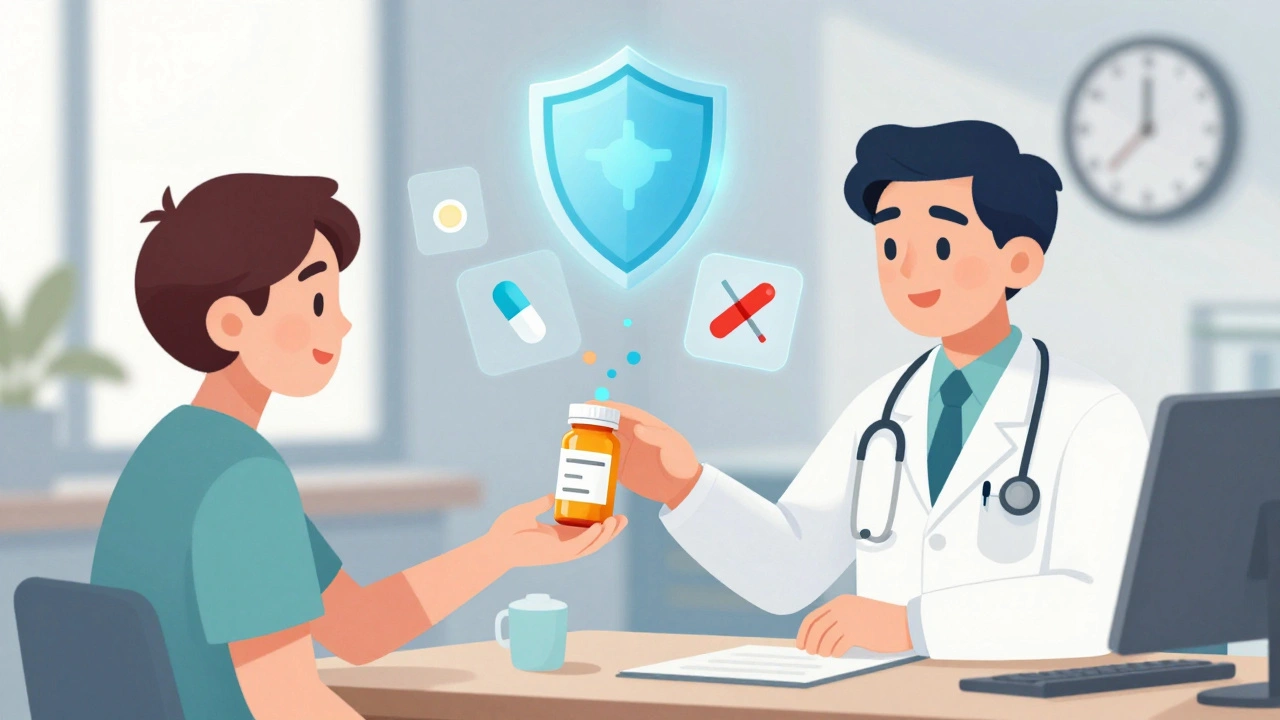
How to Report a Medication Safety Concern to Your Clinic
- by Colin Edward Egan
- on 5 Dec 2025
Learn how to report a medication safety concern to your clinic quickly and effectively. Step-by-step guidance on what to say, who to talk to, and what happens after you report-so you can help prevent harm before it happens.