
Gastroparesis Symptoms: What to Watch For and When to Act
When your stomach doesn’t empty properly, it’s called gastroparesis, a condition where the muscles in the stomach wall don’t work right, slowing or stopping food from moving into the small intestine. Also known as delayed gastric emptying, it’s not just slow digestion—it’s a breakdown in the nerve signals that control stomach contractions. Many people think their bloating or nausea after meals is just from eating too fast or spicy food. But if it keeps happening, especially with vomiting undigested food hours later, it might be gastroparesis.
This isn’t rare. It’s common in people with long-term diabetes, a condition where high blood sugar damages nerves over time, including the vagus nerve that controls stomach movement. But it can also show up after surgery, viral infections, or without any clear cause. The symptoms don’t always come all at once. You might start with feeling full after just a few bites, then notice food coming back up, or have constant bloating that doesn’t go away with antacids. Some people lose weight because eating becomes too uncomfortable. Others get severe nausea that makes them skip meals—or worse, stop taking their meds because they can’t keep them down.
What makes gastroparesis tricky is that it often looks like other things. Acid reflux? Irritable bowel? Food intolerance? But if you’ve tried those fixes and nothing helps, and your symptoms get worse after eating, especially solid foods, it’s time to dig deeper. The stomach doesn’t just sit there—it should be actively pushing food along. When it stops, everything backs up. That’s why you feel full fast, why your belly swells, why you might vomit undigested meals from hours before. It’s not laziness or overeating. It’s a physical problem your body can’t fix on its own.
And here’s the thing: ignoring these signs doesn’t make them go away. Left untreated, gastroparesis can lead to nutritional problems, blood sugar swings (especially in diabetics), and even bezoars—hard lumps of undigested food that block the stomach. You don’t need to live like this. The posts below cover what to look for, how to manage symptoms without quitting your meds, how certain drugs can make it worse, and what steps to take next. You’ll find real advice on tracking symptoms, adjusting meals, and working with your doctor to get answers—not just quick fixes.
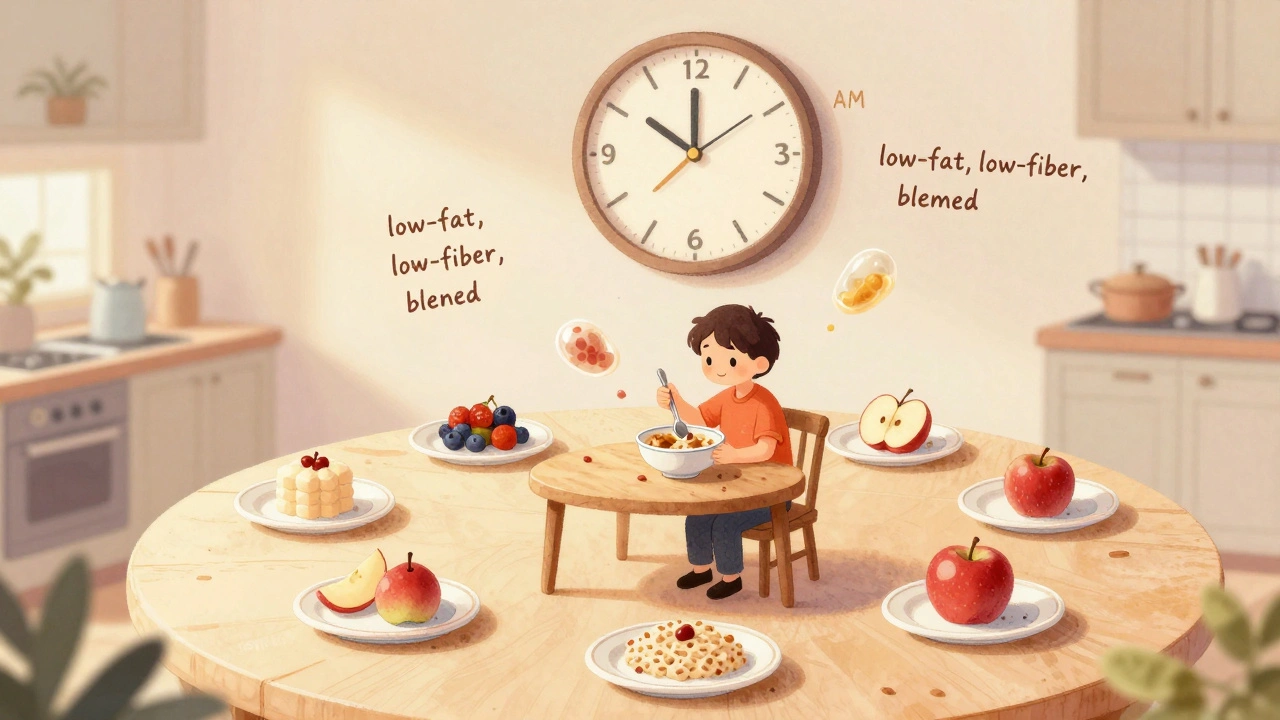
Gastroparesis: How to Manage Delayed Gastric Emptying with Diet and Lifestyle Changes
- by Colin Edward Egan
- on 6 Dec 2025
Gastroparesis causes delayed stomach emptying, leading to nausea, vomiting, and bloating. Learn how diet changes-like eating small, blended meals and avoiding fat and fiber-can significantly reduce symptoms and improve quality of life.