
Gastroparesis Diet: What to Eat, What to Avoid, and How to Manage Symptoms
When your stomach doesn’t empty properly, it’s called gastroparesis, a condition where the stomach muscles don’t work well, slowing or stopping food from moving into the small intestine. Also known as delayed gastric emptying, it causes nausea, bloating, early fullness, and vomiting—especially after meals. This isn’t just indigestion. It’s a real, measurable problem that changes how you need to eat.
Managing gastroparesis isn’t about fancy supplements or extreme diets. It’s about low-fiber foods, easier-to-digest options that don’t sit in the stomach too long. Think cooked vegetables instead of raw salads, white rice over brown, and lean ground meats instead of tough cuts. High-fat and high-fiber foods slow digestion even more, making symptoms worse. You also need to avoid carbonated drinks, alcohol, and smoking—they all relax the stomach muscles and make things worse.
Meal size matters just as much as what you eat. Instead of three big meals, try five or six small ones. Eating slowly and staying upright for at least two hours after eating helps gravity do its job. Some people find liquid or pureed meals easier—smoothies with protein powder, broth-based soups, or mashed potatoes without skins. If you’re diabetic, blood sugar control is even more critical because high glucose levels damage the nerves that control stomach movement.
You might hear about gastric emptying studies, a test that measures how fast food leaves your stomach using a radioactive meal. That’s how doctors confirm gastroparesis. But you don’t need the test to start making changes. The diet itself is the first and most effective treatment for most people. No pill replaces good food choices here.
Some people try ginger tea or peppermint oil for nausea, and those can help a little. But they don’t fix the core issue: your stomach isn’t moving food the way it should. That’s why sticking to the right foods, the right portions, and the right timing is non-negotiable. You won’t cure gastroparesis with diet alone—but you can control it so well that you feel like yourself again.
The posts below cover real strategies people use every day: how to plan meals that won’t trigger vomiting, how to spot hidden fiber in processed foods, why liquid calories can be lifesavers, and what to do when you’re stuck between hunger and discomfort. You’ll find practical tips from people who’ve been there—not theory, not guesses, just what works.
Gastroparesis: How to Manage Delayed Gastric Emptying with Diet and Lifestyle Changes
- by Colin Edward Egan
- on 6 Dec 2025
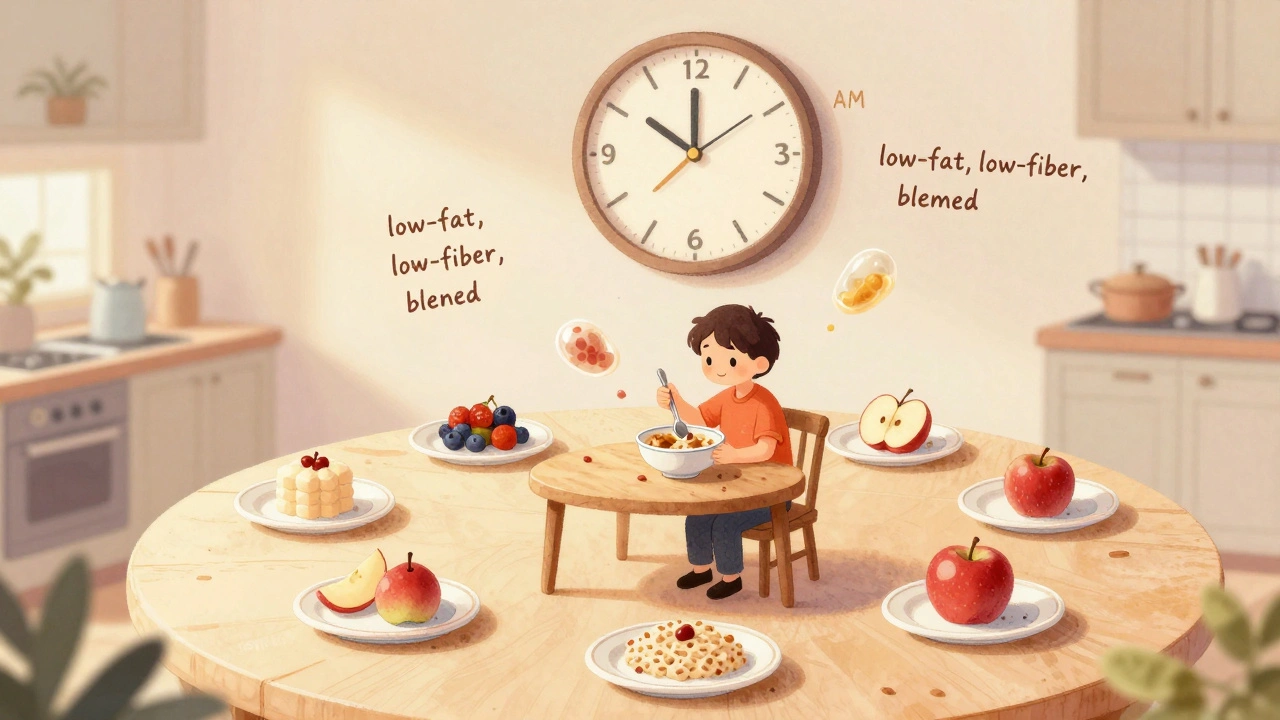
Gastroparesis causes delayed stomach emptying, leading to nausea, vomiting, and bloating. Learn how diet changes-like eating small, blended meals and avoiding fat and fiber-can significantly reduce symptoms and improve quality of life.