
Side Effects of Antidepressants: What You Need to Know Before Starting
When you start taking antidepressants, medications used to treat depression and some anxiety disorders by balancing brain chemicals. Also known as antidepressive agents, they can change how you feel—but they also come with risks you can’t ignore. Not everyone gets side effects, but many do, and some can be serious enough to require immediate medical attention.
One of the biggest dangers is serotonin syndrome, a life-threatening reaction caused by too much serotonin in the brain, often from mixing antidepressants with supplements like SAMe or other drugs. Symptoms include confusion, rapid heart rate, high blood pressure, and muscle twitching. It’s not rare—especially when people add over-the-counter supplements without telling their doctor. Another hidden risk is QT prolongation, a heart rhythm problem that can lead to sudden cardiac arrest, especially with certain antidepressants and when combined with other medications like antipsychotics. This isn’t something you’ll feel right away, but it shows up on an EKG, which is why some doctors monitor blood levels of drugs like amitriptyline using therapeutic drug monitoring, a process that measures how much of the drug is in your bloodstream to avoid toxicity.
Tricyclic antidepressants, though older, are still used—and they’re more likely to cause dry mouth, dizziness, weight gain, and blurred vision than newer ones. But even SSRIs like sertraline or fluoxetine aren’t harmless. They can cause nausea, sexual dysfunction, and in rare cases, worsen suicidal thoughts in young adults. The real problem? Many people don’t realize these side effects are linked to their meds. They blame stress, aging, or bad luck. Meanwhile, the root cause sits in their medicine cabinet.
And it’s not just the drug itself. It’s what you mix it with. Antibiotics, painkillers, even herbal supplements can turn a safe dose into a dangerous one. That’s why genetic testing for drug metabolism genes like CYP2D6 is becoming more common—it tells you if your body processes these drugs slowly or quickly, which changes your risk of side effects. If you’ve ever had an unexpected reaction to a medication, your genes might be the reason.
Knowing the risks doesn’t mean you shouldn’t take antidepressants. It means you should take them with your eyes open. Talk to your doctor about your full list of meds and supplements. Ask if you need a blood test. Watch for warning signs. And don’t stop suddenly—withdrawal can be just as rough as the side effects. The posts below give you real, no-fluff details on what to expect, how to spot trouble early, and how to avoid the most common mistakes people make when starting or switching antidepressants.
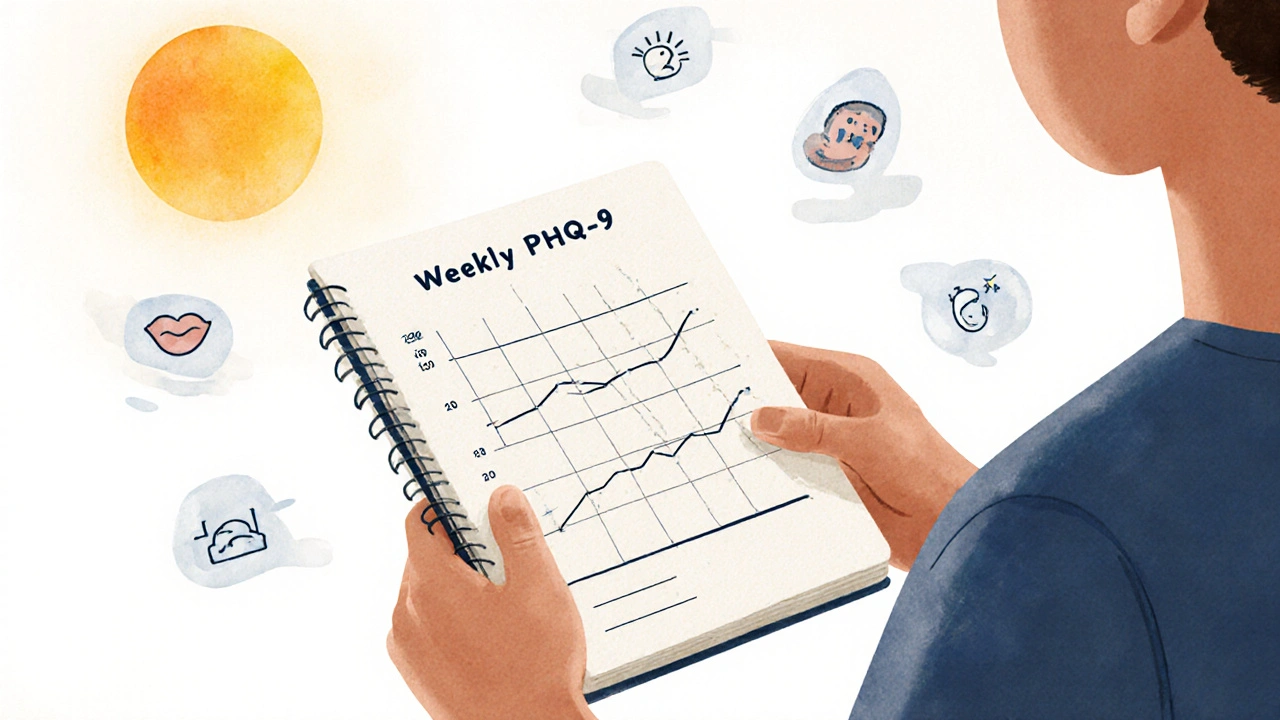
Monitoring Antidepressant Efficacy vs Side Effect Burden: Patient Strategies
- by Colin Edward Egan
- on 24 Nov 2025
Learn how to track antidepressant effectiveness and side effects using simple tools like PHQ-9 and mood journals. Discover patient strategies that improve treatment outcomes and help you have better conversations with your doctor.