
Cystic Fibrosis Therapies: What Works, What’s New, and How to Stay on Track
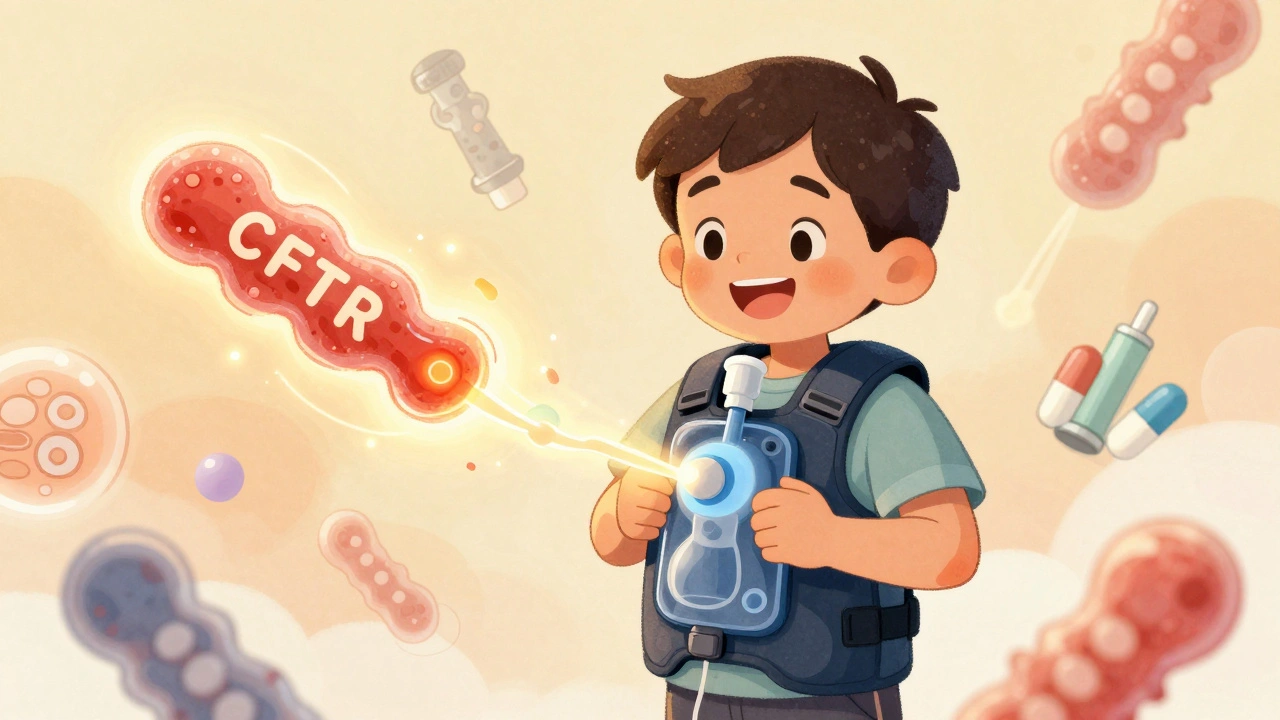
When you hear cystic fibrosis therapies, treatments designed to manage the genetic disorder that causes thick mucus to build up in the lungs and digestive system. Also known as CF treatments, these approaches have shifted from just easing symptoms to actually fixing the root problem. Ten years ago, most people with cystic fibrosis lived into their 30s. Today, many reach 50 or beyond—and it’s thanks to a wave of new therapies that target the faulty CFTR protein.
At the heart of modern CFTR modulators, a class of drugs that help the defective CFTR protein work better. Also known as CFTR correctors and potentiators, they include drugs like Trikafta, Kalydeco, and Orkambi. These aren’t cures, but they dramatically improve lung function, reduce infections, and lower hospital visits. For many, they’ve turned a daily struggle into something manageable. But modulators alone aren’t enough. People still need pulmonary rehabilitation, a structured program of breathing exercises, physical activity, and airway clearance techniques. Also known as airway clearance therapy, it’s not optional—it’s as essential as taking your pills. Think chest physiotherapy, vibrating vests, or even just coughing and huffing the right way. Skipping it means mucus builds up, infections return, and lungs slowly decline.
Then there’s the gut. Cystic fibrosis messes with the pancreas, so most people need pancreatic enzyme replacement, capsules taken with every meal to help digest food and absorb nutrients. Also known as PERT, this isn’t just about avoiding bloating—it’s about preventing malnutrition, weight loss, and vitamin deficiencies that can wreck long-term health. You can’t skip meals or forget your enzymes. And you can’t ignore nutrition. High-calorie, high-fat diets aren’t a suggestion—they’re a medical necessity.
What’s missing from many people’s routines? Monitoring. Tracking lung function with a peak flow meter. Checking weight weekly. Watching for signs of infection—like thicker mucus, fever, or more coughing. These aren’t just doctor’s notes. They’re early warning signals that tell you when to call your care team before things get serious.
There’s no one-size-fits-all plan. Some people take 15 pills a day. Others rely on nebulizers for hours. Some use oxygen at night. Some train for marathons. But every effective plan has the same pillars: targeted drugs, daily airway clearance, enzyme support, solid nutrition, and close monitoring. The posts below show real strategies people use—how to handle side effects, how to stick with treatments when life gets busy, and how newer therapies are changing what’s possible. You’ll find what works for others, and how to adapt it to your own life.
Cystic Fibrosis: Genetic Respiratory Disease and the New Therapies Changing Lives
- by Colin Edward Egan
- on 8 Dec 2025
Cystic fibrosis is a genetic respiratory disease once fatal in childhood. New CFTR modulator therapies have transformed survival rates, with median life expectancy now over 50. But access and cost remain major barriers.