
Cystic Fibrosis: Causes, Treatments, and Medication Management
When someone has cystic fibrosis, a genetic disorder that causes thick, sticky mucus to build up in the lungs and digestive system. Also known as CF, it’s not contagious—it’s inherited, and it affects how salt and water move in and out of cells. This mucus clogs airways, traps bacteria, and leads to constant lung infections. It also blocks the pancreas, stopping digestive enzymes from reaching food, which means even eating well doesn’t always mean getting the nutrients your body needs.
The root cause is a mutation in the CFTR gene, the gene that controls the production of a protein responsible for regulating chloride ions. Without this protein working right, the body produces abnormal mucus, sweat, and digestive fluids. That’s why people with cystic fibrosis often have salty skin—because their sweat contains too much salt. It’s also why they need daily airway clearance, inhaled medications like mucolytics, drugs that thin mucus to make it easier to cough up, and frequent antibiotics to fight off lung infections that won’t go away on their own.
Managing cystic fibrosis isn’t just about treating symptoms—it’s about keeping the body working as long as possible. Many take pancreatic enzymes, capsules taken with every meal to help break down food and absorb nutrients because their pancreas can’t do it alone. Some use newer drugs called CFTR modulators, which fix the faulty protein at the source, but they’re expensive and only work for certain gene mutations. Not everyone qualifies, and even then, they’re not a cure.
Life with cystic fibrosis means routines: morning chest physiotherapy, nebulizer treatments, enzyme pills, vitamin supplements, and regular clinic visits. It’s not just about medicine—it’s about diet, exercise, and avoiding germs. People with CF are more likely to develop diabetes, liver problems, and bone thinning, so monitoring is constant. And while life expectancy has jumped from childhood to nearly 50 years in the last few decades, the daily grind hasn’t gotten easier.
What you’ll find below are real, practical guides on how medications interact, how to handle side effects, and what works when standard treatments fall short. From how to manage lung infections with antibiotics to why certain drugs can mess with digestion, these posts cut through the noise. You won’t find fluff—just clear, usable info from people who live with this every day or treat it in clinics.
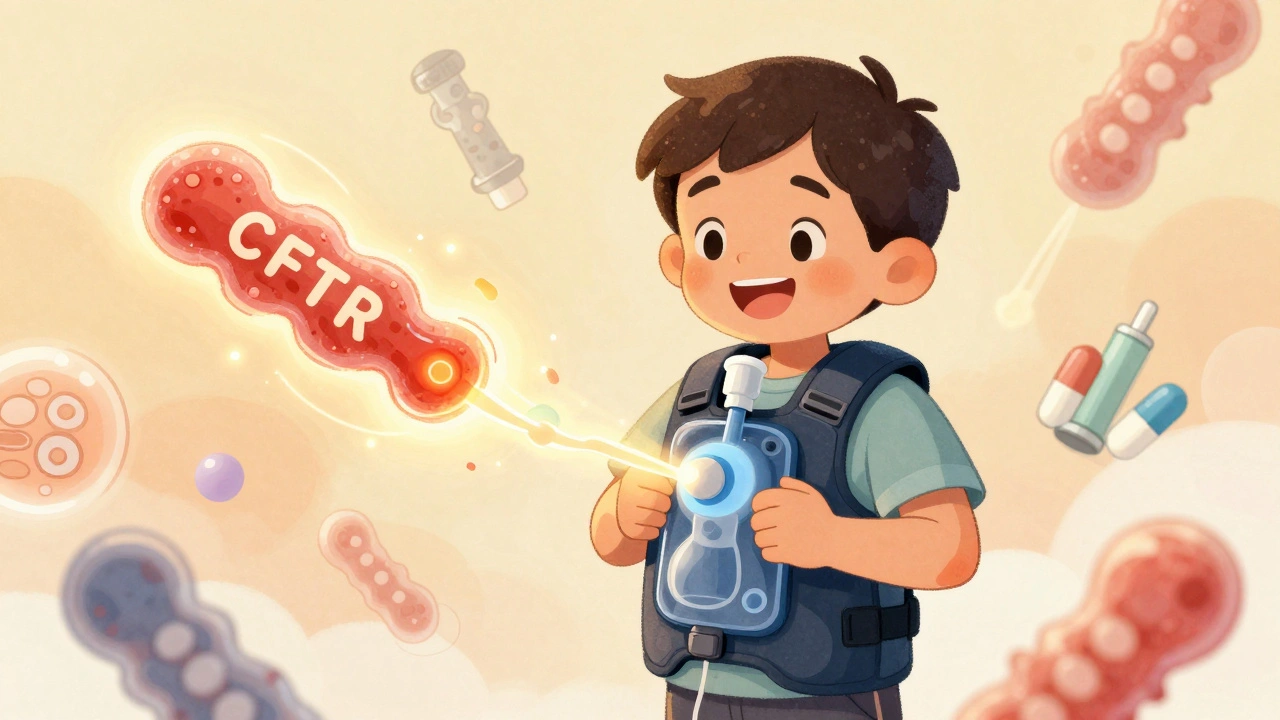
Cystic Fibrosis: Genetic Respiratory Disease and the New Therapies Changing Lives
- by Colin Edward Egan
- on 8 Dec 2025
Cystic fibrosis is a genetic respiratory disease once fatal in childhood. New CFTR modulator therapies have transformed survival rates, with median life expectancy now over 50. But access and cost remain major barriers.