
CFTR Modulators: How These Drugs Treat Cystic Fibrosis and Improve Lung Function
When you hear CFTR modulators, a class of drugs designed to correct the defective CFTR protein that causes cystic fibrosis. Also known as cystic fibrosis transmembrane conductance regulator modulators, they’re not just another treatment—they’re the first drugs that target the root cause of the disease, not just the symptoms. Before these drugs came along, people with cystic fibrosis lived shorter lives, fought constant lung infections, and relied on daily chest physiotherapy just to breathe easier. Now, CFTR modulators help thousands of patients produce thicker mucus, clear their airways better, and avoid hospital visits.
These drugs work by fixing the broken CFTR protein, a channel that controls salt and water movement in and out of cells. In cystic fibrosis, this protein doesn’t open properly, so mucus becomes thick and sticky, clogging lungs and pancreas. Ivacaftor, the first CFTR modulator approved, helps the protein open wider. Later combos like lumacaftor-ivacaftor and tezacaftor-ivacaftor help more people by both fixing the protein’s shape and keeping it open. Not everyone qualifies—these drugs only work for specific gene mutations, and testing is required before starting.
People on CFTR modulators often see real changes: fewer lung flares, better weight gain, and even improved sweat test results. Some kids who used to miss school every month now play sports. Adults who needed oxygen at night can sleep through the night. But these aren’t magic pills—they come with side effects like liver stress, headaches, and rashes. That’s why monitoring blood work and staying in touch with your care team matters.
What you’ll find in this collection aren’t just drug facts—they’re real stories about how these medications changed lives. You’ll read about managing side effects, understanding eligibility, and why some patients still struggle to get access. There’s also guidance on what to ask your doctor, how to spot early warning signs, and how newer modulators compare to older ones. This isn’t theory. It’s what people are living with every day.
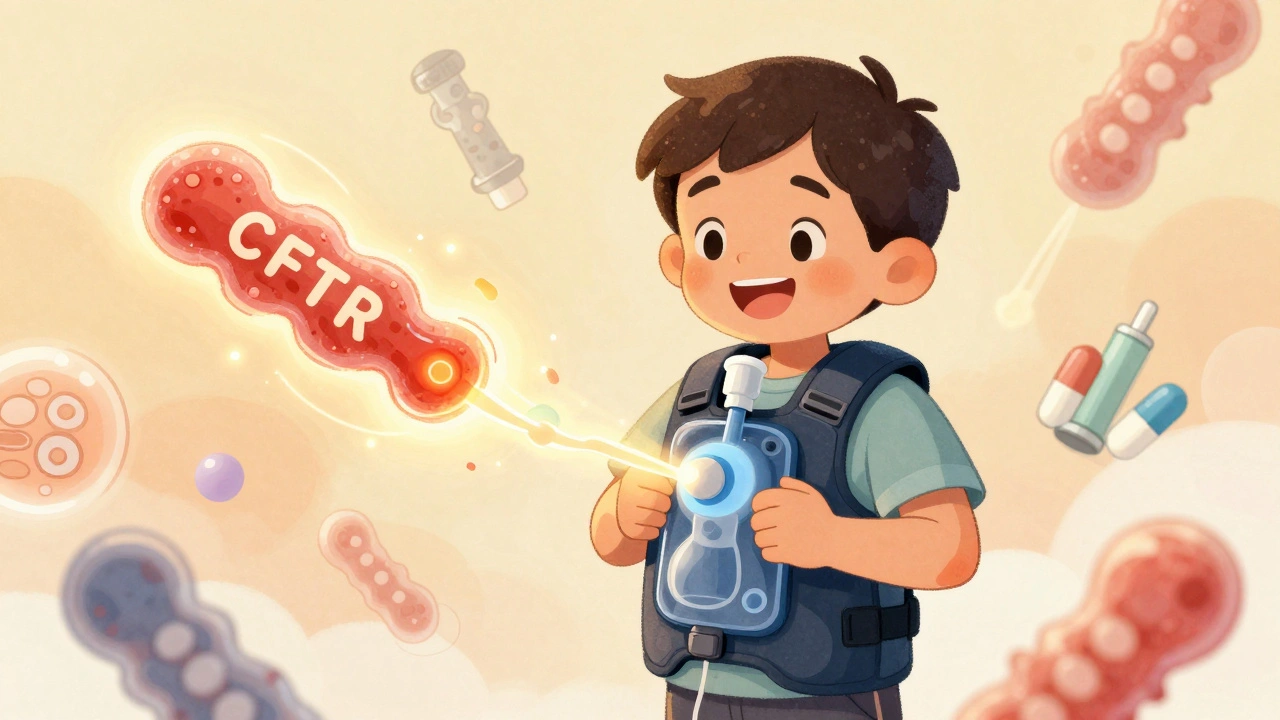
Cystic Fibrosis: Genetic Respiratory Disease and the New Therapies Changing Lives
- by Colin Edward Egan
- on 8 Dec 2025
Cystic fibrosis is a genetic respiratory disease once fatal in childhood. New CFTR modulator therapies have transformed survival rates, with median life expectancy now over 50. But access and cost remain major barriers.