
Fentanyl Patch Overdose Symptom Checker
Fentanyl Patch Overdose Recognition
Select any symptoms you or someone else is experiencing. This tool will help identify potential overdose and provide immediate emergency instructions.
EMERGENCY RESPONSE REQUIRED
This appears to be a fentanyl overdose. Act immediately:
- 1. Remove the patch immediately
- 2. Call 911 immediately
- 3. Administer Naloxone if available
No Overdose Symptoms Detected
However, some symptoms may indicate other medical concerns. If you're experiencing:
- Persistent nausea or vomiting
- Severe headache or dizziness
- Skin irritation at application site
Fentanyl transdermal patches deliver powerful pain relief for severe chronic conditions, but they come with serious risks. Understanding fentanyl patch side effects is critical for safe use. These patches are designed for patients who need continuous opioid treatment and can't manage pain with other options. However, their high potency means even small mistakes can be deadly.
Fentanyl transdermal patch is a prescription medication used for chronic pain management. It delivers fentanyl through the skin over 72 hours. The FDA requires strict safety protocols for these patches due to their high potency.Fentanyl is 50 to 100 times stronger than morphine. A single patch can be deadly if mishandled. The FDA reports 32 accidental pediatric deaths between 1997 and 2012 from exposure to unused patches.
Overdose: Symptoms and Immediate Actions
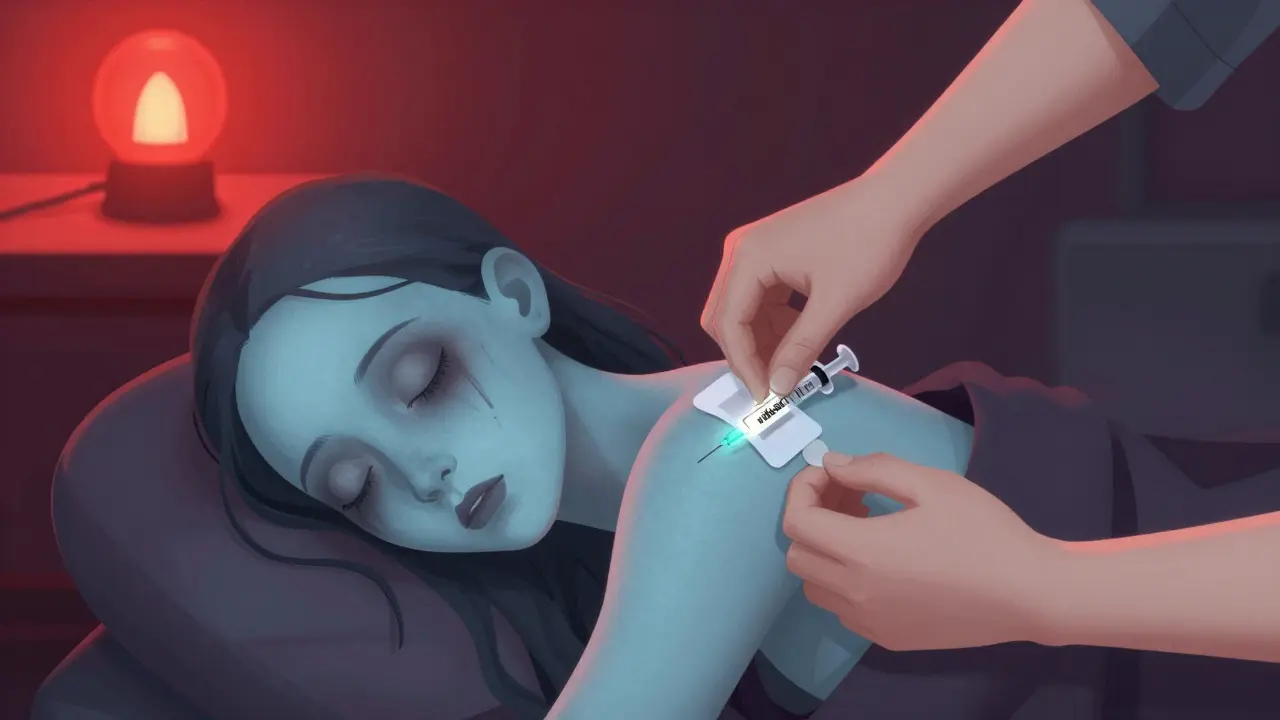
Overdose is the most critical risk with fentanyl patches. Symptoms include:
- Difficulty breathing or slow, shallow breaths
- Extreme sleepiness or inability to wake up
- Cold, clammy skin and limp muscles
- Pale or blue lips, fingernails, or skin
- Pinpoint pupils
- Seizures or irregular heartbeat
According to the Mayo Clinic's October 2023 guidelines, these symptoms require immediate action. If you notice any signs of overdose:
- Remove the patch right away
- Call 911 immediately
- Administer Naloxone if available
The FDA now requires healthcare providers to consider co-prescribing naloxone with all opioid medications. Naloxone (brand name Narcan) can reverse an opioid overdose. Keep it accessible if you're using fentanyl patches.
Withdrawal: Signs and Safe Management
Suddenly stopping fentanyl patches can cause severe withdrawal. Symptoms start within 8 to 24 hours after the last dose. Peak intensity hits 36 to 72 hours later. The American Addiction Centers note withdrawal symptoms typically last 7 to 10 days, but can linger for weeks.
- Restlessness, sweating, and chills
- Stomach cramps, nausea, and vomiting
- Diarrhea and increased heart rate
- Anxiety, irritability, and insomnia
The FDA's April 2019 safety announcement states that abrupt discontinuation can lead to 'thoughts of suicide' in addition to physical symptoms. Medical experts emphasize never stopping fentanyl patches suddenly. The European Medicines Agency recommends gradually reducing the dose by 10-25% every 1-3 weeks. This slow tapering prevents severe withdrawal and uncontrolled pain.
Critical Safety Tips for Users
Safety starts with proper handling. Here are key steps:
- Storage: Keep patches out of reach of children and pets. Store them in their original packaging at room temperature.
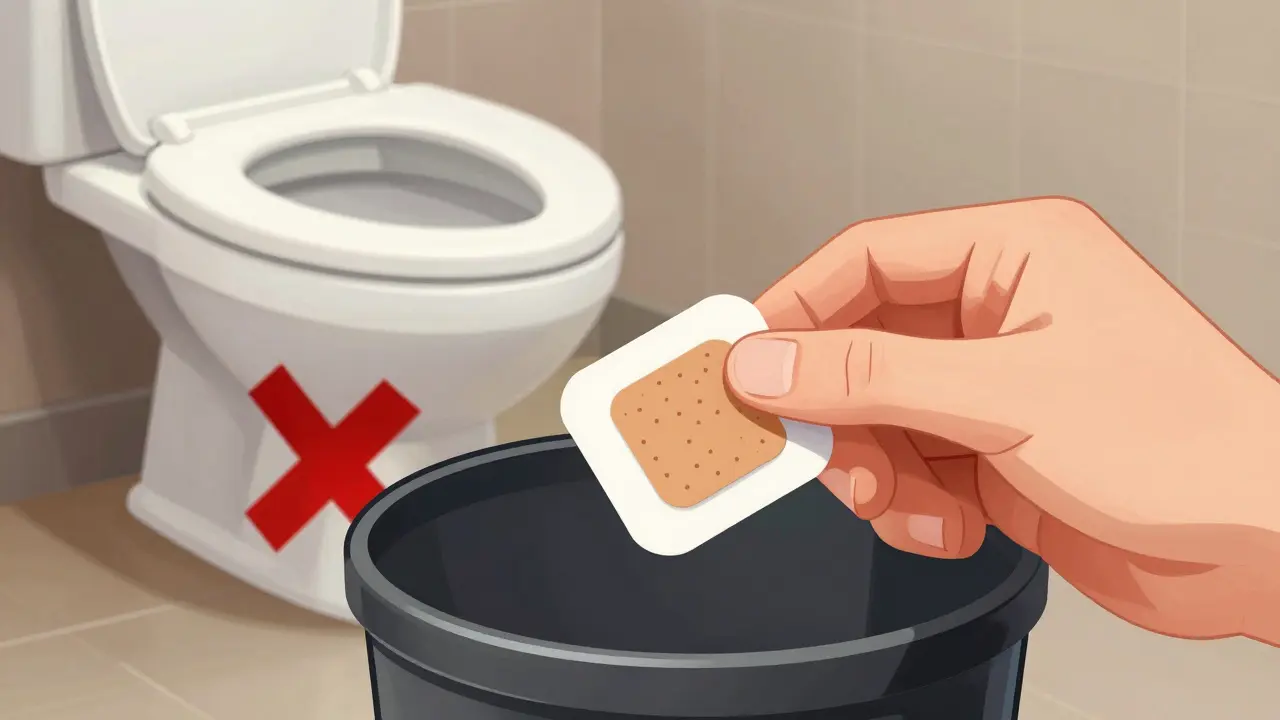
- Disposal: After removing a used patch, fold the sticky sides together. Throw it in the trash. Never flush patches down the toilet.
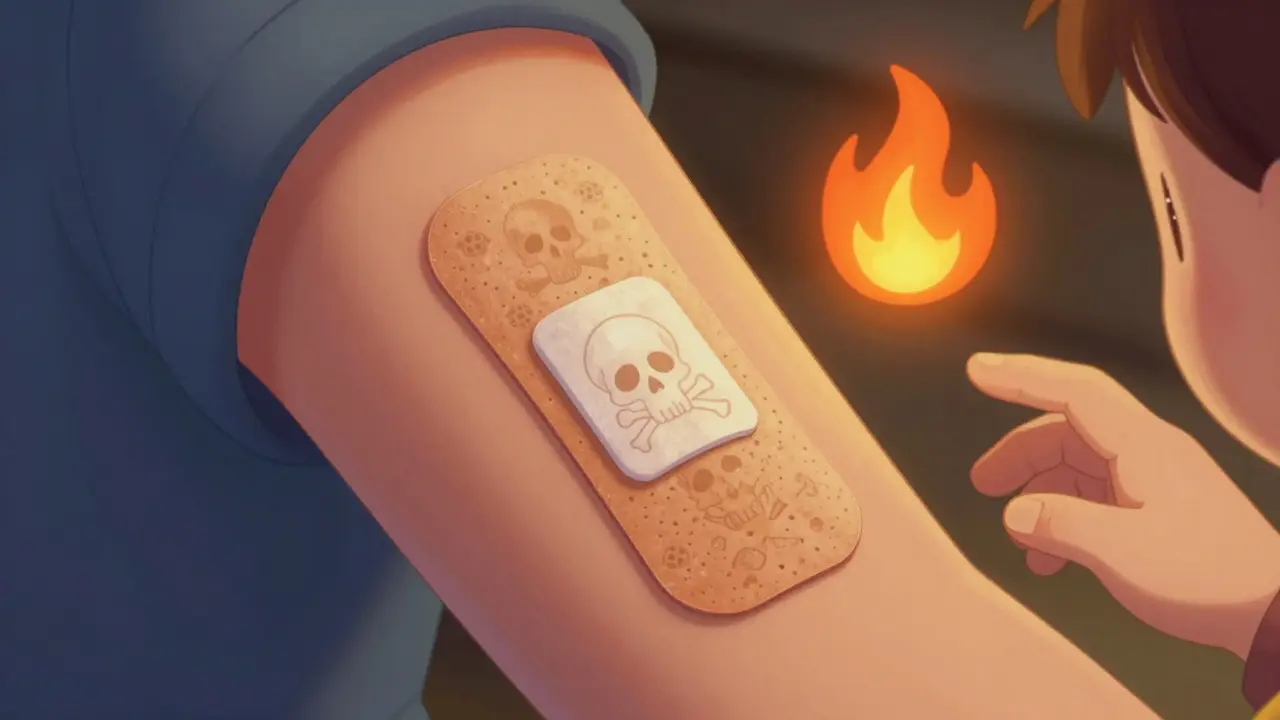
- Avoid heat: Heat sources like heating pads, hot tubs, or saunas can increase fentanyl absorption. This raises overdose risk.
- Medical checks: Tell your doctor about all medications you take. Fentanyl interacts dangerously with alcohol, benzodiazepines, and other opioids.
The MedlinePlus Drug Information updated December 15, 2023, stresses that 'this prescription is not refillable' and patients 'must schedule appointments with your doctor on a regular basis so that you do not run out of medication.' The Substance Abuse and Mental Health Services Administration (SAMHSA) advises all patients to receive education on overdose recognition and naloxone use.
Why Proper Discontinuation Matters
Stopping fentanyl patches too quickly can be dangerous. The Risk Evaluation and Mitigation Strategy (REMS) program, implemented by the FDA in 2012, requires prescriber education on safe tapering. A 2023 NIDA research update found that 'fentanyl withdrawal, while typically not life-threatening, can be extremely uncomfortable.' Dr. Wilson Compton, Deputy Director of NIDA, explains that 'the severity of symptoms depends on the amount, duration, type of opioid drug used, and any underlying physical and mental health conditions.'
For example, someone on a high-dose patch (100 mcg/hour) might need to reduce their dose by 25% every two weeks over several months. Skipping this step risks severe withdrawal and potential relapse. A 2021 Johns Hopkins University study documented that 37% of fatal overdoses among former patients occurred after a period of abstinence due to reduced tolerance.
Can fentanyl patches cause addiction?
Yes, fentanyl patches are opioids and can lead to dependence. However, they're prescribed for chronic pain under medical supervision. Your doctor will monitor your use closely. Never take more than prescribed or use them longer than needed.
How do I safely dispose of a used fentanyl patch?
Fold the sticky sides of the used patch together. Place it in a sealed container before throwing it in the trash. Never flush patches down the toilet or leave them where children or pets can reach them. The FDA emphasizes this step prevents accidental exposure.
Is it safe to use a heating pad while wearing a fentanyl patch?
No. Heat sources like heating pads, hot tubs, or saunas can increase fentanyl absorption by up to 50%, raising overdose risk. The FDA's 2013 safety communication specifically warns against this. Always keep the patch area cool and dry.
What should I do if a child touches a fentanyl patch?
Remove the patch immediately and call 911. Children can overdose from a single patch. Between 1997 and 2012, 32 pediatric deaths occurred from accidental exposure. Store patches in child-proof containers and out of reach.
Can I stop taking fentanyl patches suddenly?
Never stop suddenly. The FDA mandates gradual tapering to avoid severe withdrawal symptoms. Your doctor will create a safe reduction plan, usually decreasing the dose by 10-25% every 1-3 weeks. Abrupt cessation can lead to dangerous complications like uncontrolled pain or suicidal thoughts.
Eric Knobelspiesse
February 6, 2026 AT 21:21Fentanyl patches are no joke. 50-100x stronger than morphine. Ive seen cases where kids get into patches and overdose. Scary stuff. We need better education on safe disposal. Fold stiky sides together and avoid heat sources. Safer alternatives for chronic pain should exist. Naloxone should be co-prescribed as the FDA recommends, but doctors often skip it.
Heather Burrows
February 7, 2026 AT 13:02I mean, it's not the patches' fault. People should be responsible for their own safety. Like, if you leave them where kids can get them, that's on you. The FDA has clear guidelines. It's not hard to fold the patch properly. Some folks just don't care. But yeah, it's serious.
Ritu Singh
February 8, 2026 AT 22:08Fentanyl patches are a double-edged sword. In India, we have strict regulations on opioids, but still, awareness is key. I've seen patients struggle with withdrawal. It's important to follow medical advice. Proper disposal is crucial. Also, naloxone access should be widespread. But cultural differences matter-some communities may not have access to education. We need inclusive approaches.
Mark Harris
February 10, 2026 AT 05:29Hey, you're right about responsibility! But let's also remember that healthcare providers need to do their part too. Like, prescribing naloxone properly. It's not just on the patient. We should push for better education across the board. Everyone can help spread awareness. Let's do this!
Savannah Edwards
February 11, 2026 AT 00:35Fentanyl patches are incredibly dangerous when mishandled.
I've read the FDA reports about pediatric deaths, which is horrifying.
Between 1997 and 2012, 32 kids died from accidental exposure.
That's why proper disposal is so critical-fold the sticky sides together before trashing.
And never, ever flush them.
Heat sources like heating pads can increase absorption by up to 50%, which is terrifying.
I once knew someone who used a heating pad with a patch and had to go to the ER.
The symptoms of overdose are scary too-slow breathing, pale skin, pinpoint pupils.
It's vital to know the signs and have naloxone on hand.
The FDA now requires co-prescribing naloxone with opioids, but not all doctors follow that.
Withdrawal is also a huge issue.
Stopping suddenly can cause severe symptoms like sweating, nausea, anxiety.
Doctors should taper doses slowly.
I think we need more public awareness campaigns.
Maybe community workshops on safe usage.
Also, cultural factors play a role; some people might not know how to handle these patches properly.
It's not just about individual responsibility but systemic education.
We need to make sure everyone has access to clear information.
This is a serious public health issue that requires collective action.
Mayank Dobhal
February 11, 2026 AT 22:41Withdrawal is brutal. Nausea, sweating, anxiety. Doctors don't always explain tapering. System fails people. Seriously messed up.
Marcus Jackson
February 12, 2026 AT 20:51Actually, the FDA's guidelines are clear: always fold the patch, avoid heat, and have naloxone. People ignore this stuff. I've seen it firsthand. The real issue is complacency. Not the patches themselves.
Natasha Bhala
February 12, 2026 AT 21:08Fold the stiky sides together before disposal
Gouris Patnaik
February 14, 2026 AT 11:18In India, we handle opioids responsibly. US is chaos. People don't follow guidelines. It's their fault. They need education. Our system is better. Why can't they learn?