
Proton Pump Inhibitors: How They Work, Side Effects, and What to Know Before Taking Them
When you hear proton pump inhibitors, a class of drugs that block acid production in the stomach to treat heartburn, ulcers, and GERD. Also known as PPIs, they are among the most prescribed medications worldwide—used by millions to calm burning sensations and heal damaged tissue in the esophagus and stomach. But they’re not harmless. While they work fast and well for short-term relief, taking them for months or years can lead to problems you might not expect—like nutrient shortages, bone thinning, or even kidney issues.
Proton pump inhibitors target the final step of acid production. Your stomach has tiny pumps—called proton pumps—that release acid when you eat. PPIs shut those pumps down, cutting acid by up to 99%. That’s why they’re so effective for GERD, a chronic condition where stomach acid flows back into the esophagus, causing irritation and pain. But they also interfere with digestion. Without enough acid, your body struggles to absorb magnesium, calcium, vitamin B12, and iron. That’s why people on long-term PPIs often end up with fatigue, muscle cramps, or brittle bones. And it’s not just absorption—studies show long-term use raises the risk of C. difficile, a dangerous gut infection that thrives when stomach acid is suppressed, and even a higher chance of pneumonia.
Many people start PPIs for occasional heartburn and never stop. But the truth? Most cases of mild reflux can be managed with diet, weight loss, or even just avoiding late-night meals. PPIs aren’t meant to be a lifelong crutch. If you’ve been on them for more than a few months without a clear reason, talk to your doctor about tapering off. There are safer, shorter-term options like H2 blockers, and lifestyle changes often work better than you think. The posts below cover real stories—people who got stuck on PPIs, how to recognize side effects you might ignore, what to do when they stop working, and how to find alternatives that don’t leave you dependent on pills.
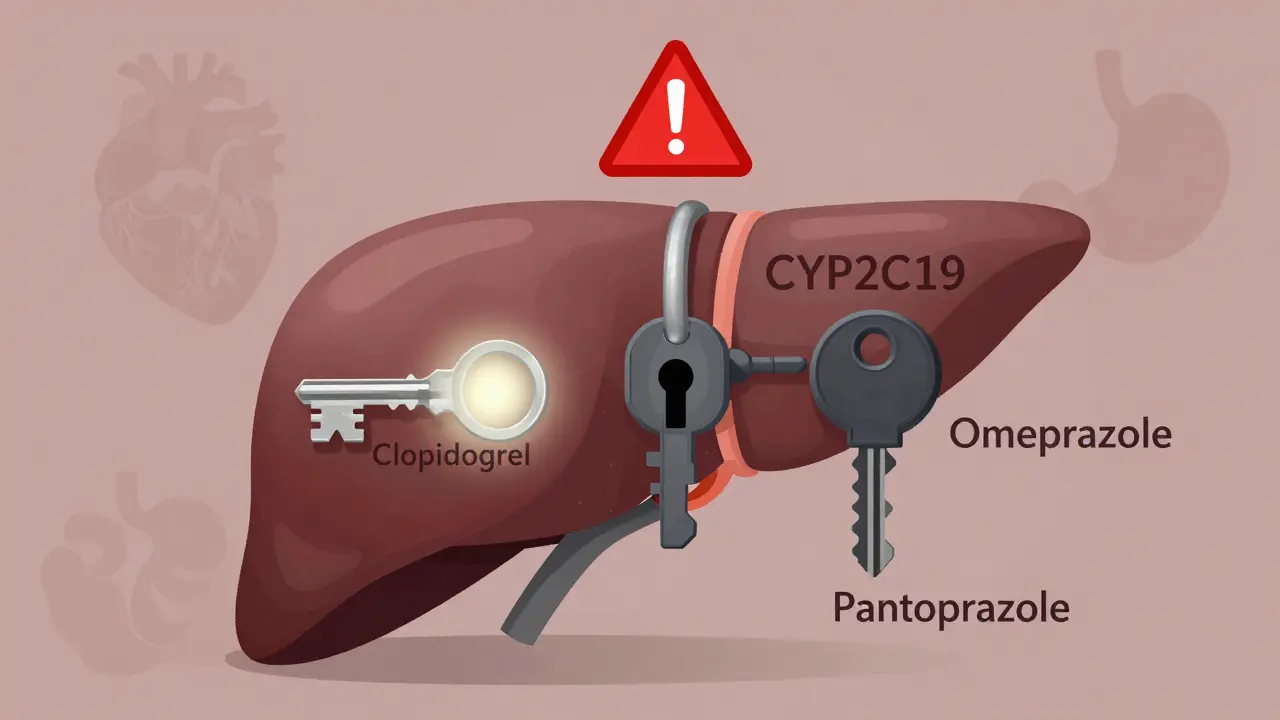
Proton Pump Inhibitors and Clopidogrel: What You Need to Know About the Drug Interaction
- by Colin Edward Egan
- on 12 Feb 2026
Clopidogrel and proton pump inhibitors like omeprazole can interact, reducing clopidogrel’s effectiveness and raising heart attack risk. Pantoprazole is the safest PPI choice. Learn why, who’s at risk, and what to do.
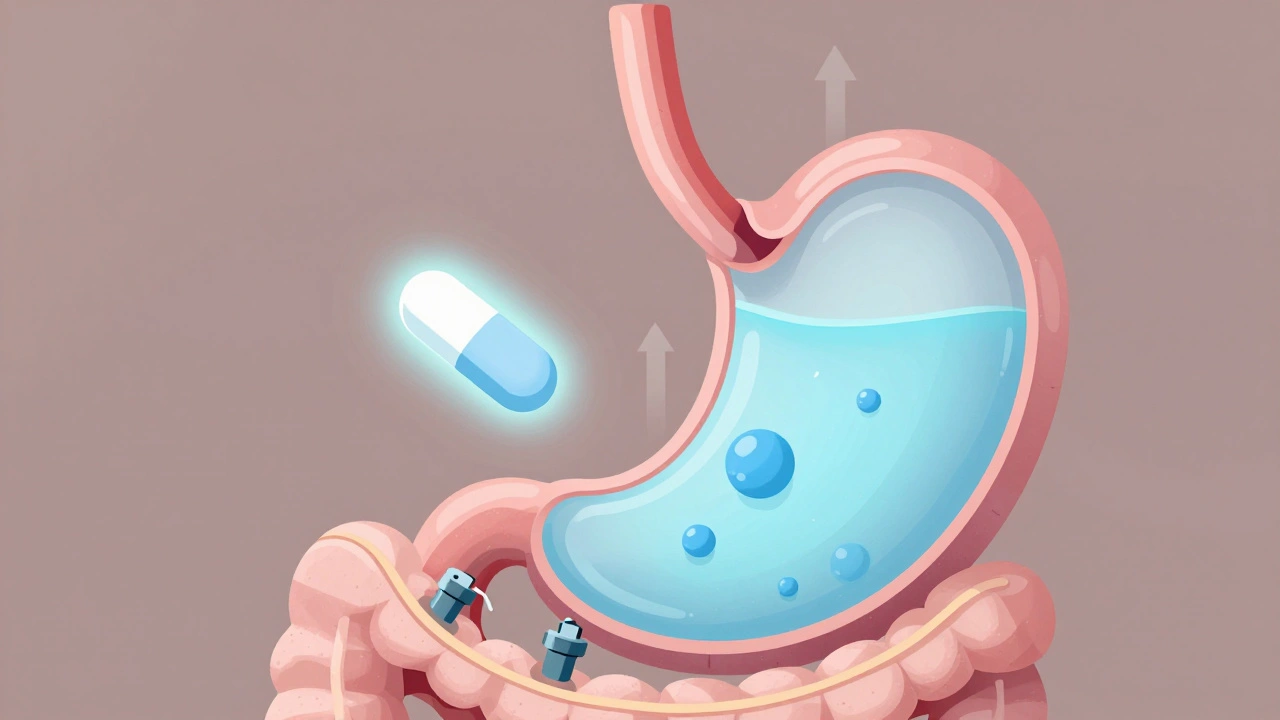
Levothyroxine and Proton Pump Inhibitors: What You Need to Know About Absorption Interactions
- by Colin Edward Egan
- on 9 Dec 2025
Levothyroxine and proton pump inhibitors (PPIs) can interact, reducing thyroid hormone absorption. Nearly 2.7 million Americans on both drugs may need dose adjustments or alternatives like liquid levothyroxine or H2 blockers.