
CSU: Understanding Chronic Urticaria, Triggers, and Medication Management
When you break out in itchy, raised welts that won’t go away for weeks or months, you’re not just dealing with a rash—you’re dealing with CSU, chronic spontaneous urticaria, a condition where the body’s immune system wrongly triggers hives without an obvious cause. Also known as chronic idiopathic urticaria, it affects about 1 in 1,000 people and often shows up without warning, disrupting sleep, work, and daily life. Unlike allergic hives that come after eating peanuts or being stung, CSU has no clear trigger. That’s what makes it so frustrating—you’re taking the right meds, avoiding known allergens, and still waking up covered in bumps.
Most people with CSU are treated with antihistamines, first-line drugs that block histamine, the chemical causing the itching and swelling. But here’s the catch: standard doses often don’t work. Many patients need four times the usual dose, and even then, some still break out. When antihistamines fail, doctors turn to biologics like omalizumab, which targets the immune cells driving the reaction. But not everyone has access to these expensive treatments. And while some drugs like NSAIDs or ACE inhibitors can make CSU worse, others—like certain antidepressants—might help calm the immune system over time. It’s not just about what you take, but how your body reacts to it.
CSU doesn’t just affect your skin. The constant itching leads to sleep loss, anxiety, and even depression. People often feel dismissed because their blood tests come back normal and doctors can’t point to a single cause. But that doesn’t mean it’s not real. The condition lasts an average of 2 to 5 years, but for some, it’s longer. What helps one person might do nothing for another, which is why tracking triggers—stress, heat, pressure, even certain foods—is so important. You might not be able to stop CSU, but you can learn to manage it better. Below, you’ll find real stories and science-backed strategies from people who’ve lived through it: how to spot dangerous drug interactions, why some medications make it worse, what actually reduces flare-ups, and how to talk to your doctor when standard advice isn’t working.
Chronic Spontaneous Urticaria: Second-Line Treatments That Actually Work
- by Colin Edward Egan
- on 7 Dec 2025
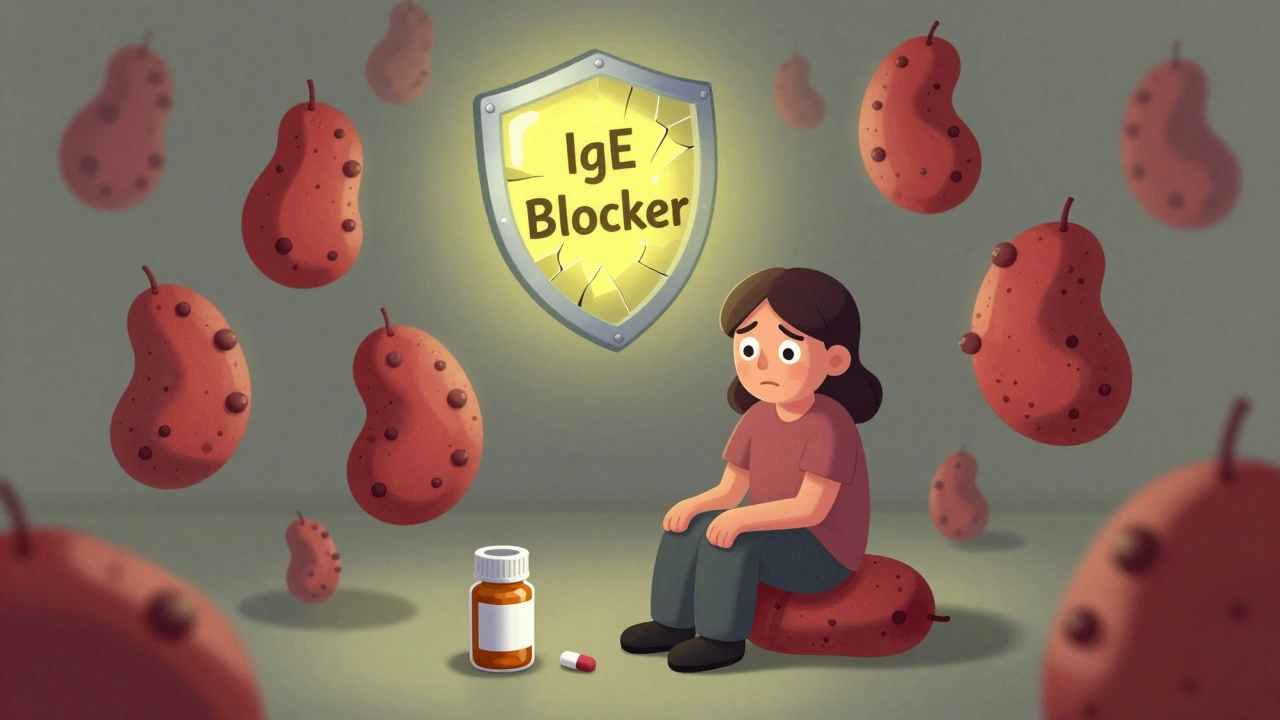
When antihistamines fail for chronic spontaneous urticaria, second-line treatments like omalizumab, remibrutinib, and dupilumab offer real hope. Learn which options work best based on your body’s immune response.