
Sudden Cardiac Death: Causes, Risks, and Medications That Can Trigger It
When the heart suddenly stops beating due to a dangerous rhythm, it’s called sudden cardiac death, a rapid, unexpected loss of heart function often caused by ventricular fibrillation. Also known as cardiac arrest, it doesn’t always come with warning signs—and many cases are tied to medications people take daily.
This isn’t just about old hearts or genetics. Even young, otherwise healthy people can be at risk if they’re taking certain drugs that mess with the heart’s electrical system. One of the biggest culprits is QT prolongation, a delay in the heart’s electrical reset cycle that can lead to a life-threatening rhythm called torsades de pointes. It’s not a disease itself, but a red flag triggered by combinations of drugs. For example, mixing antipsychotics, medications used for schizophrenia and bipolar disorder with other QT-prolonging drugs like some antibiotics or anti-nausea pills can push the heart past its limit. The risk isn’t theoretical—it shows up in real cases where people on stable doses suddenly collapse after adding a new prescription.
Medication interactions are the silent engine behind many sudden cardiac deaths. A statin alone? Usually fine. A statin plus an antibiotic like clarithromycin? That combo can trigger rhabdomyolysis, which strains the heart and kidneys. Antidepressants? Safe for most—but when stacked with SAMe or other serotonin-boosting supplements, they can cause serotonin syndrome, which may include dangerous heart rhythms. Even something as simple as an over-the-counter antihistamine can tip the balance in someone already on a heart-affecting drug. It’s not about taking too much—it’s about the wrong mix.
What makes this even trickier is that you won’t always feel it coming. No chest pain. No dizziness. Just a heartbeat that stops. That’s why knowing your meds and talking to your doctor about potential interactions isn’t optional—it’s survival. If you’re on more than three medications, especially for mental health, heart conditions, or chronic pain, you’re in the high-risk group. Genetic differences in how your body breaks down drugs can make you more vulnerable too. A simple blood test can reveal if you’re a slow metabolizer of certain drugs, which increases your chance of toxic buildup.
The posts below dive into the real-world connections between everyday medications and heart risks. You’ll find clear breakdowns of which drugs to watch out for, how to spot early warning signs, and what steps you can take before it’s too late. No fluff. No guesses. Just facts from real cases, drug labels, and clinical monitoring tools used by doctors to prevent these events. Whether you’re managing your own meds or helping someone else, this collection gives you the tools to ask the right questions—and maybe save a life.
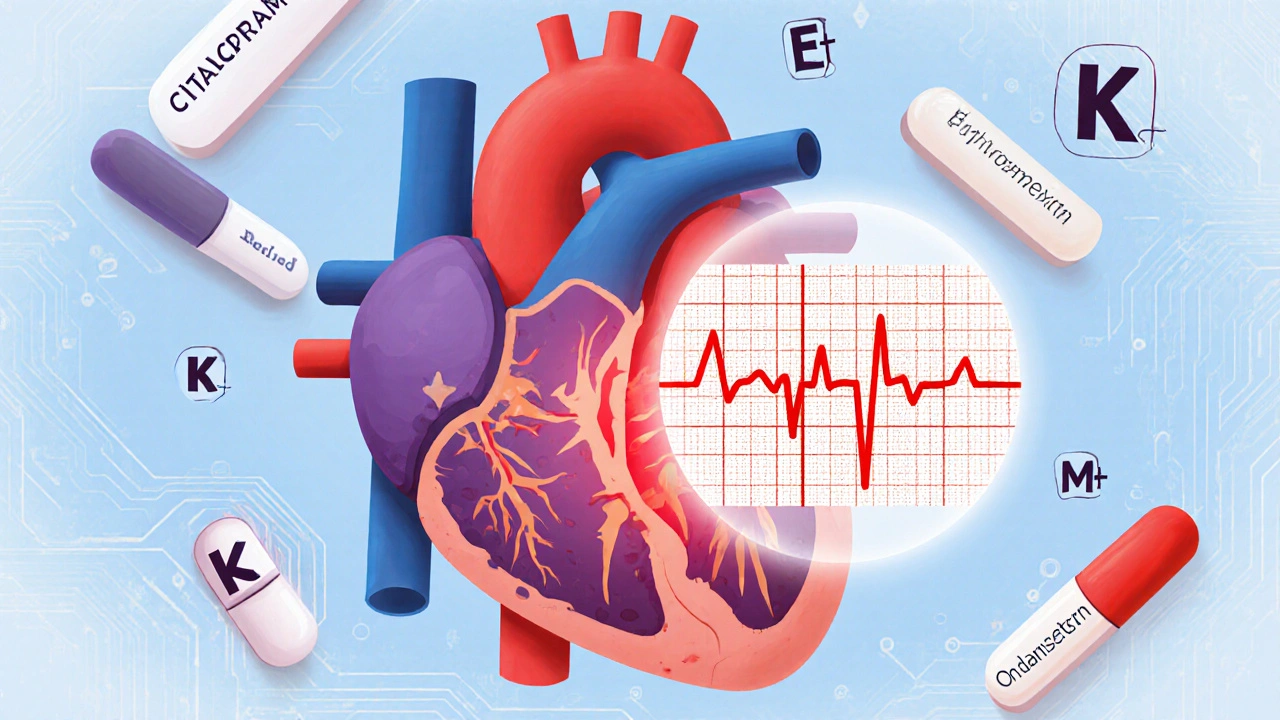
QT Prolongation and Sudden Cardiac Death from Medications: What You Need to Know About Risk Factors
- by Colin Edward Egan
- on 21 Nov 2025
QT prolongation from medications can lead to sudden cardiac death. Learn the key risk factors, which drugs are most dangerous, and how to protect yourself with simple checks and safer alternatives.