
SPL Documents: What They Are and Why They Matter for Your Medication Safety
When you take a pill, the SPL documents, Structured Product Labeling files submitted to the FDA by drug manufacturers. Also known as drug labeling files, they are the official, machine-readable source of everything your medicine can and cannot do. These aren’t marketing brochures or pharmacy summaries—they’re the raw, legally required data that regulators and doctors use to decide if a drug is safe for you.
SPL documents include details you won’t see on a bottle: exact active ingredients, how the drug breaks down in your body, which other medicines can cause deadly reactions, and who should never take it. For example, if you’re on warfarin, the SPL for an antibiotic will tell you it can spike your INR and cause internal bleeding. If you’re taking a statin, the SPL will warn you about the muscle breakdown risk when combined with certain antibiotics. These aren’t guesses—they’re based on clinical trials, post-market reports, and real patient data filed directly with the FDA.
They also explain things like therapeutic drug monitoring for tricyclic antidepressants, why genetic tests matter for drug reactions, and how QT prolongation from antipsychotics can lead to sudden cardiac death. SPL documents don’t sugarcoat—they list every known interaction, every warning, every contraindication. That’s why doctors who check them can spot risks before you even start a new med. And if you’re using supplements like SAMe with antidepressants, the SPL will flag the serotonin syndrome danger long before a pharmacist might.
These files are the backbone of every drug safety alert, every medication guide, and every warning label you’ve ever seen. Without SPL documents, we’d be flying blind—guessing which drugs clash, how much is too much, or who’s at risk. They’re not flashy, but they’re the reason you don’t end up in the hospital from a simple combo of pills. The posts below pull real examples from these documents: how antibiotics wreck warfarin, how genetics change how your body handles antidepressants, why voriconazole needs close monitoring, and how authorized generics match brand-name drugs down to the last molecule. You’re not just reading about side effects—you’re seeing the original data that makes those warnings real.
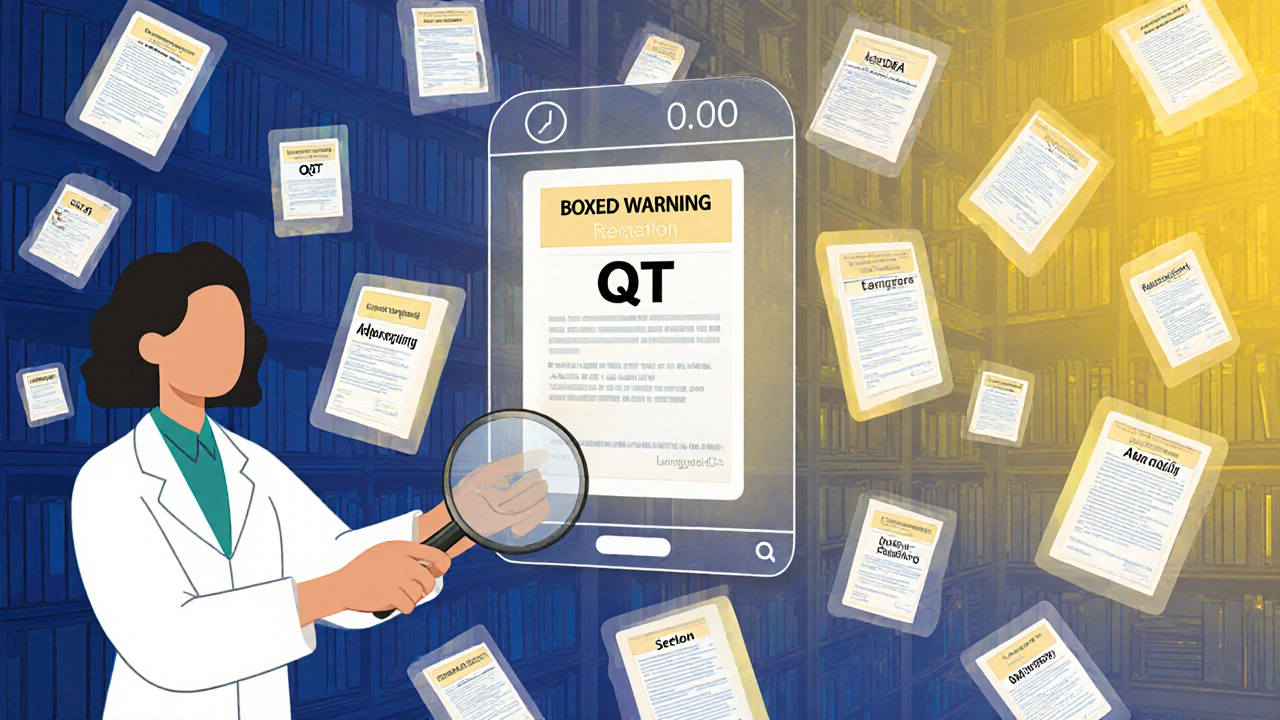
FDALabel Database: How to Search Drug Labels Like a Regulatory Professional
- by Colin Edward Egan
- on 20 Nov 2025
FDALabel is the FDA's official searchable database of over 149,000 drug labels. Learn how to search by section, use MedDRA terms, export results to Excel, and find critical safety info no other public tool offers.