
Medication Risk: Understanding Dangerous Interactions and How to Stay Safe
When you take a medication, you're not just dealing with one drug—you're entering a system where other pills, supplements, even foods can turn a safe treatment into a life-threatening situation. Medication risk, the potential for harm when drugs interact with each other or with your body’s unique biology. Also known as drug interaction risk, it’s not rare—it’s everyday. A simple antibiotic can spike your INR if you’re on warfarin. A common statin mixed with certain antibiotics can trigger rhabdomyolysis, where muscle tissue starts breaking down and clogs your kidneys. These aren’t edge cases. They happen to real people every day because the risks aren’t obvious until it’s too late.
That’s why knowing about drug interactions, when two or more medications change each other’s effects in dangerous or unexpected ways isn’t optional. It’s survival. Some interactions are well-documented, like how SAMe can push antidepressants into serotonin syndrome territory. Others hide in plain sight—like how ketoconazole shampoo can affect liver enzymes and alter how your blood thinner works. Even something as simple as grapefruit juice can make your blood pressure or cholesterol drug too strong. And then there’s pharmacogenomics, how your genes control how your body processes drugs. People with certain gene variants, like CYP2D6 or HLA-B*15:02, can have extreme reactions to common meds—even at normal doses. One person gets relief. Another ends up in the hospital. This isn’t science fiction. It’s why doctors order therapeutic drug monitoring for tricyclic antidepressants or check your INR weekly when you start a new antibiotic. These aren’t just tests—they’re safety nets.
You don’t need to memorize every possible combo. But you do need to know how to ask the right questions. What side effects should I watch for? Could this interact with something else I’m taking? Is there a genetic test I should consider? The tools exist—FDALabel lets you dig into official drug safety data. Mood journals and PHQ-9 trackers help you spot early warning signs. And knowing the difference between an authorized generic and a counterfeit online pill can keep you out of harm’s way. Below, you’ll find real, practical guides written by people who’ve been through this. No fluff. No jargon. Just what you need to spot danger, talk to your doctor, and take back control.
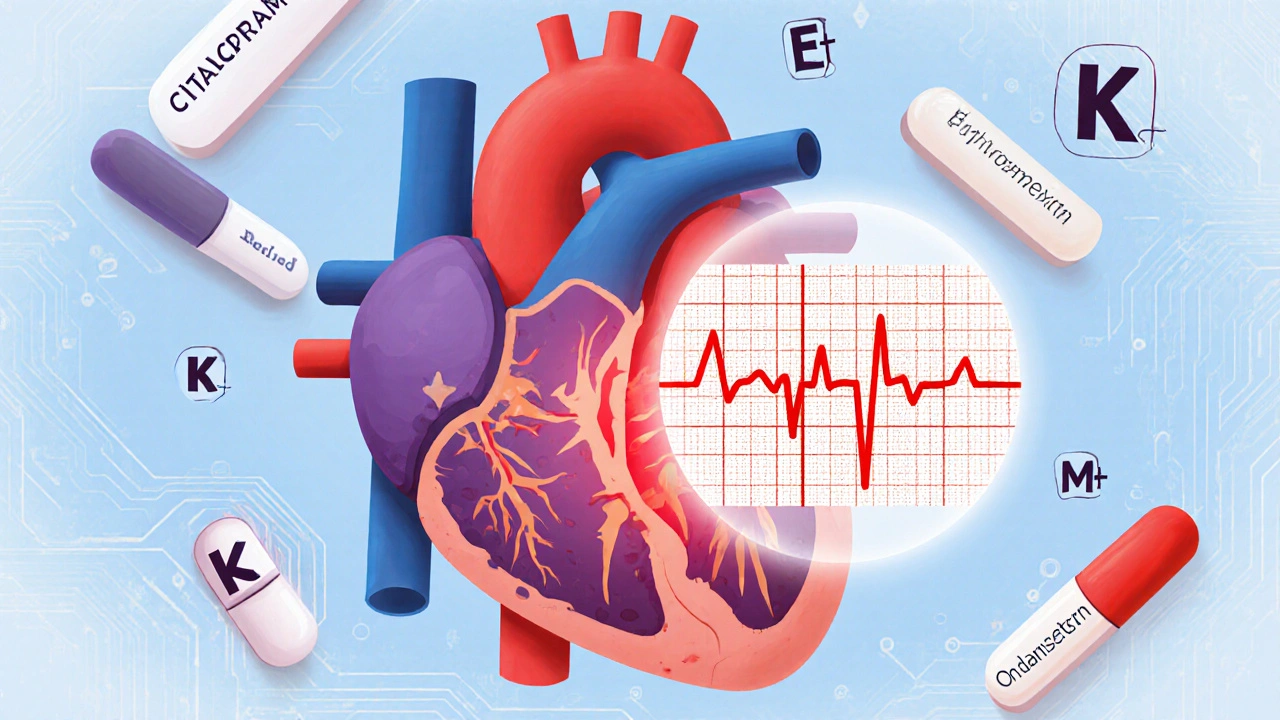
QT Prolongation and Sudden Cardiac Death from Medications: What You Need to Know About Risk Factors
- by Colin Edward Egan
- on 21 Nov 2025
QT prolongation from medications can lead to sudden cardiac death. Learn the key risk factors, which drugs are most dangerous, and how to protect yourself with simple checks and safer alternatives.