
Levothyroxine: What It Is, How It Works, and What You Need to Know
When your thyroid doesn’t make enough hormone, levothyroxine, a synthetic version of the thyroid hormone T4 used to replace what your body can’t produce. Also known as synthetic thyroxine, it’s the most prescribed medication for hypothyroidism, a condition where the thyroid gland fails to produce enough hormones to keep metabolism running. Without it, you might feel tired, gain weight, get cold easily, or struggle with brain fog—symptoms that aren’t just "being sluggish" but signs your body is running on low fuel.
Levothyroxine doesn’t cure hypothyroidism, but it replaces what’s missing. It’s not a stimulant, not a weight-loss drug, and not something you take for a few weeks and stop. It’s a daily, lifelong replacement for a hormone your body should make on its own. The dose isn’t one-size-fits-all—it’s based on your weight, age, other health conditions, and how your body responds over time. That’s why regular blood tests, like TSH and free T4 levels, matter. Too little and symptoms stick around; too much and you risk heart palpitations, bone loss, or even atrial fibrillation. This is why thyroid medication, including levothyroxine, requires careful monitoring to avoid under- or over-treatment. And yes, it can interact with other drugs. Antibiotics, antacids, iron supplements, even some coffee—anything that changes how your gut absorbs it—can throw off your dose. That’s why timing matters: take it on an empty stomach, wait 30-60 minutes before eating or taking other meds.
Levothyroxine is also tied to bigger medication safety conversations. People on it might also be taking blood thinners like warfarin, where thyroid levels can affect how the drug works. Or they might be on statins, where muscle side effects can be worsened if thyroid levels aren’t right. Even something as simple as switching brands or generics can cause subtle changes in absorption, leading to symptoms returning. That’s why knowing how to report a medication concern or track side effects isn’t just helpful—it’s critical. You’ll find posts here that cover exactly these kinds of overlaps: how thyroid meds interact with other drugs, how to manage side effects, why adherence matters, and how to spot when something’s off. Whether you’re just starting levothyroxine or have been on it for years, the information below gives you real, practical insights—not theory, not fluff—just what you need to stay safe and feel better.
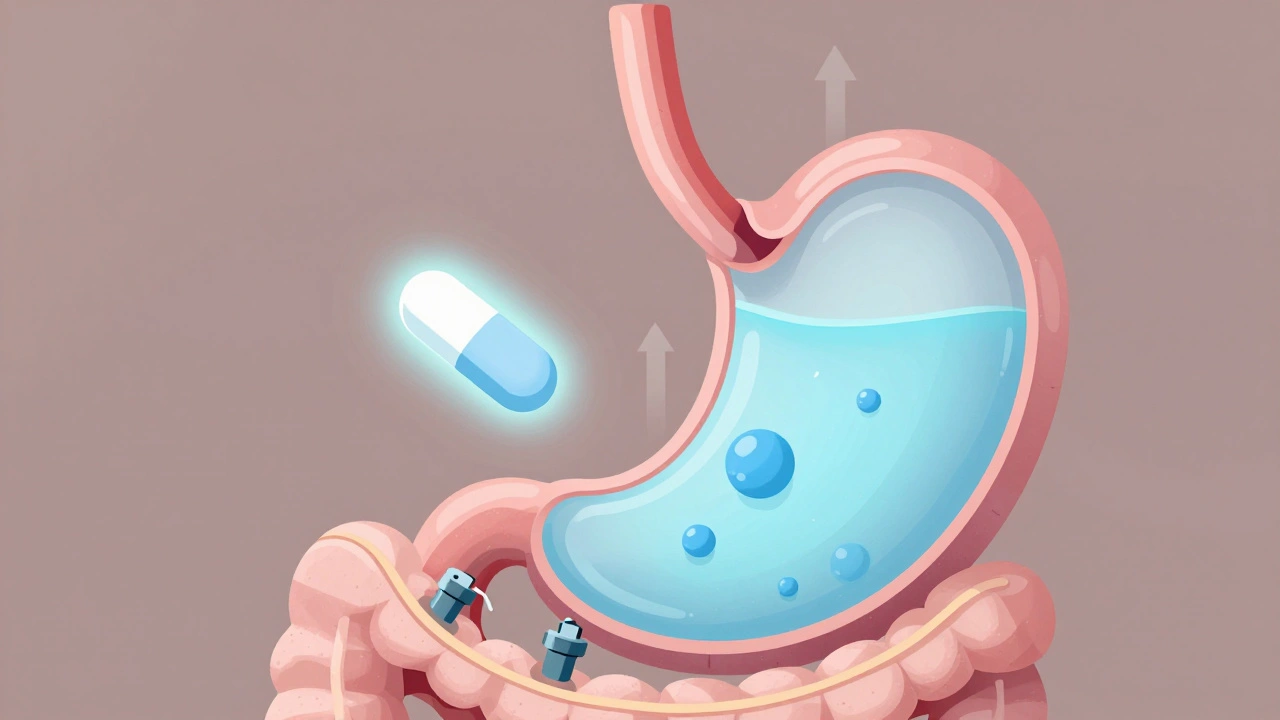
Levothyroxine and Proton Pump Inhibitors: What You Need to Know About Absorption Interactions
- by Colin Edward Egan
- on 9 Dec 2025
Levothyroxine and proton pump inhibitors (PPIs) can interact, reducing thyroid hormone absorption. Nearly 2.7 million Americans on both drugs may need dose adjustments or alternatives like liquid levothyroxine or H2 blockers.