
Drug-Induced Kidney Injury: Causes, Risks, and How to Stay Safe
When you take a medication, you expect it to help—not hurt your kidneys. But drug-induced kidney injury, damage to the kidneys caused by medications, often without warning. Also known as nephrotoxicity, it’s one of the most common reasons people end up in the hospital for kidney problems, especially older adults and those with existing health issues. This isn’t rare. Studies show up to 20% of hospital-acquired kidney injuries come from drugs, and many of them are preventable.
Some of the most dangerous culprits are everyday meds you might not think twice about. NSAIDs, like ibuprofen and naproxen, reduce inflammation but also cut blood flow to the kidneys. Take them long-term or while dehydrated, and your kidneys can start to shut down. Antibiotics, especially aminoglycosides and vancomycin, are another big one—they’re lifesavers for infections but can poison kidney cells if not monitored closely. Even common drugs like certain antivirals, like tenofovir used for HIV, can slowly damage kidney tissue over time. And don’t forget contrast dyes used in CT scans—those can trigger sudden kidney failure in people with diabetes or existing kidney weakness.
It’s not just about the drug itself. Your body’s chemistry matters too. If you’re older, have diabetes, heart failure, or are already on multiple meds, your risk goes up fast. People taking diuretics, like furosemide, along with blood pressure drugs or NSAIDs, are especially vulnerable. That combo—sometimes called the "triple whammy"—can drop kidney function in days. And here’s the scary part: you might not feel a thing until it’s too late. No pain. No swelling. Just a slow, silent decline in how well your kidneys filter waste.
That’s why knowing your meds is just as important as taking them. If you’re on more than three medications, ask your doctor or pharmacist: "Could any of these hurt my kidneys?" Simple blood tests—like checking creatinine and eGFR—can catch early damage before it becomes serious. And if you’re dehydrated, sick with the flu, or just didn’t drink enough water, hold off on NSAIDs or diuretics until you’re back to normal.
The posts below cover real-world cases and practical steps you can take. You’ll find how certain antibiotics spike kidney risk, why some painkillers are riskier than others, and how to spot early signs of trouble before it turns into a crisis. You’ll also learn about tools like therapeutic drug monitoring and how genetic differences can make some people far more sensitive to kidney damage from common drugs. This isn’t theory—it’s what people are dealing with right now, and how they’re protecting themselves.
Rhabdomyolysis from Medication Interactions: How Common Drugs Can Cause Muscle Breakdown
- by Colin Edward Egan
- on 22 Nov 2025
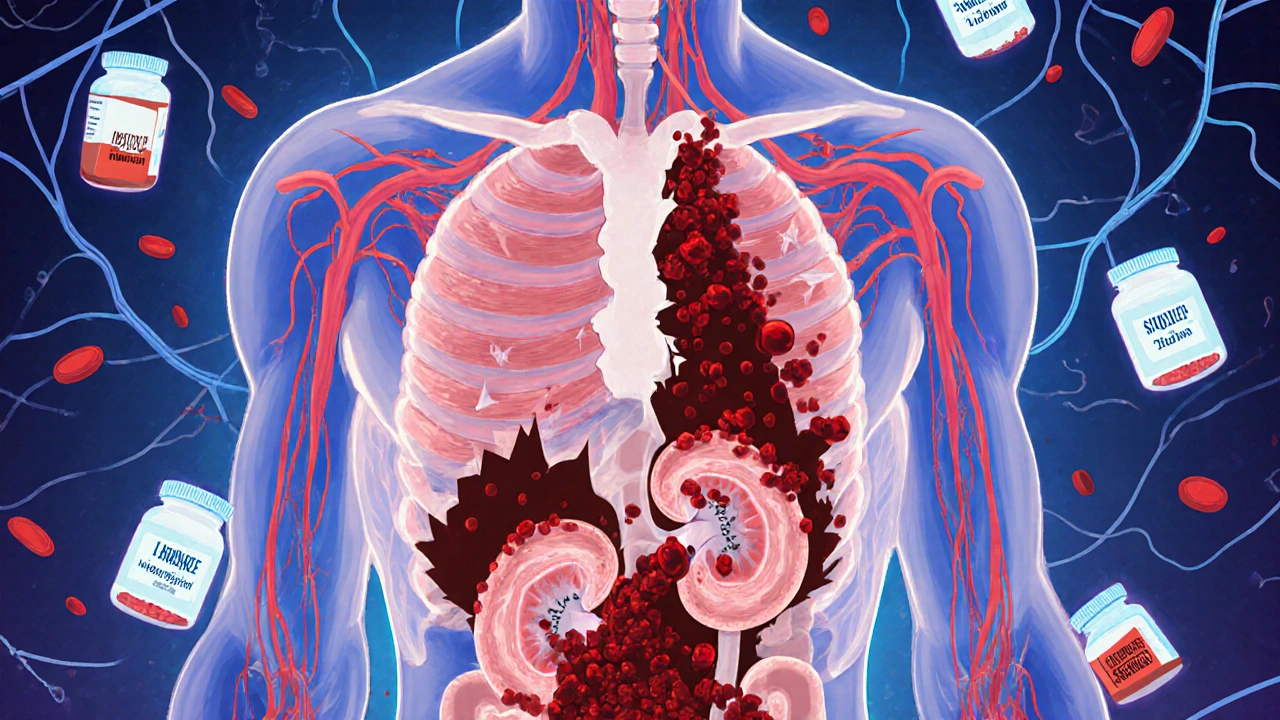
Rhabdomyolysis from medication interactions is a life-threatening condition where muscle tissue breaks down, often due to dangerous drug combos like statins with antibiotics. Learn the signs, risks, and how to prevent it.